Signs of Hidden Water Damage
Phoenix Flood Repair walks through the signs that water is sitting somewhere you cannot see it in a Phoenix home, and what each one usually means.
- Restoration Referrals
- Independent Pros
- Drying & Repairs
By Phoenix Flood Repair · Updated September 2026
A Smell Is Often the First Clue
A musty or earthy smell that was not there last month is worth taking seriously, especially in a house that is otherwise dry. Smell is produced by material that is still damp, so it tells you something is wet even when nothing looks wrong. It is often strongest in a closet, under a sink, near a baseboard or when the air conditioning first kicks on.
Follow your nose rather than dismissing it. Open cabinet doors, pull items out of the bottom of a closet and get down at floor level. If the smell is stronger low down or behind a run of cabinets, that is where to look first.
Stains, Bubbles and Soft Edges
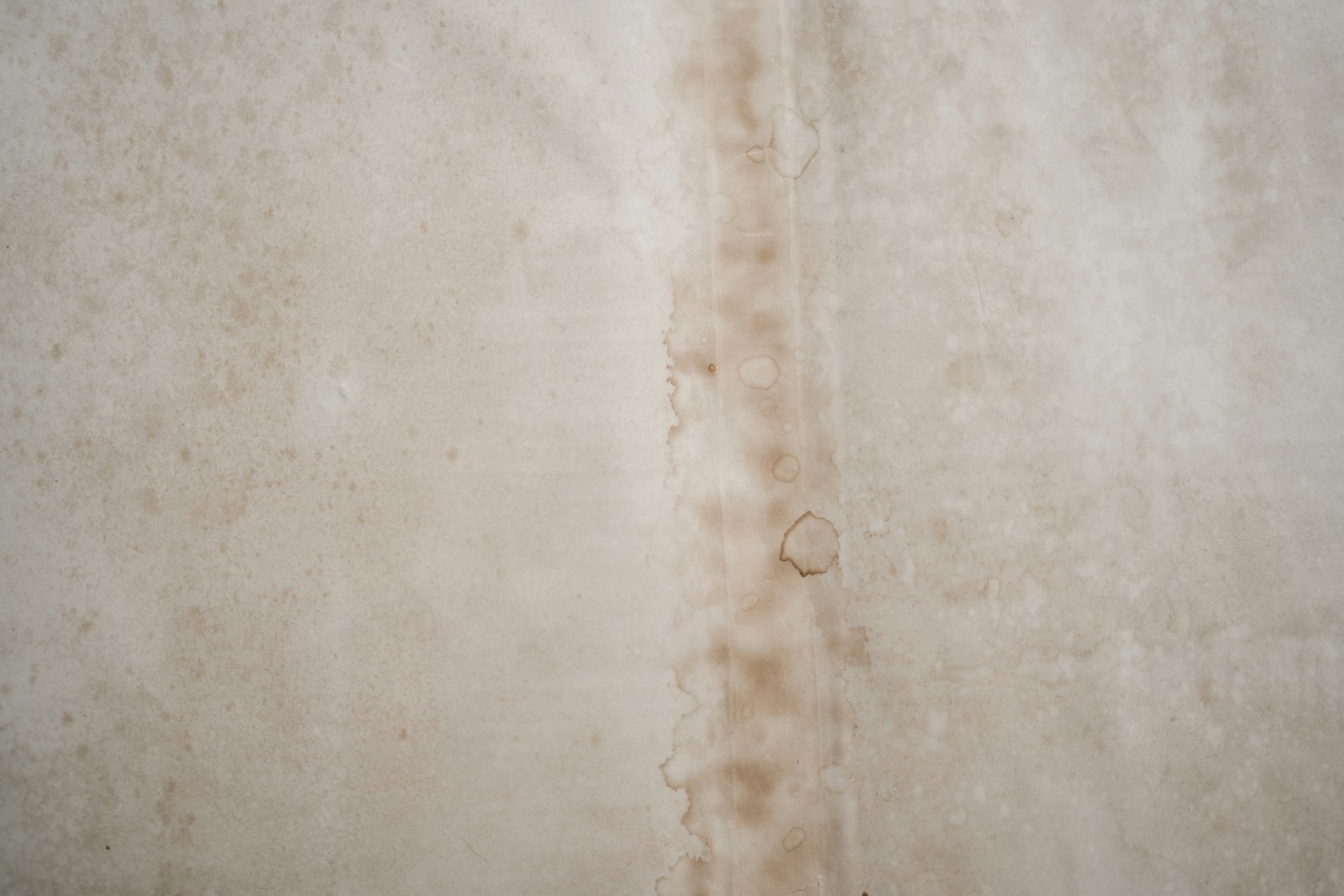
A brown ring on a ceiling is obvious, but the earlier signs are subtler. Paint that bubbles or blisters low on a wall, wallpaper lifting at a seam, a baseboard that has darkened or pulled slightly away from the wall, and a cabinet kick board that stays damp are all worth checking.
Flooring gives you signals too. Wood that cups at the edges, laminate that swells at the joints, tile grout that stays dark in one area or a vinyl plank that has started to lift usually means moisture underneath rather than a surface spill. Press a baseboard with your thumb; if it is soft, it has been wet for a while.
Numbers That Do Not Add Up
A water bill that jumps with no change in how the household uses water is a classic sign of a leak, and in a slab home that often means a supply line under the concrete. Another version is a water heater or a pump that runs more than it used to, or a pool auto-fill valve topping up far more often than the weather explains.
You can do a rough check yourself. Turn off every tap and appliance that uses water, then look at the meter. If the dial is still moving, water is going somewhere. That is a reason to call rather than to start opening things up.
Where Hidden Water Usually Comes From Here
In this climate the most common hidden source is the air conditioning. Condensate drain lines clog with dust and sludge in summer, and the water backs out into the air handler closet or overflows the attic drip pan and comes through a ceiling. The second most common is a supply line: copper under the slab in older homes corroding into pinholes in hard water, or the plastic supply lines fitted in many homes built from the early 1980s to the mid 1990s.
Outside the house, drip irrigation, pool equipment lines and a pool auto-fill leak can soak a side yard right against the slab for months. Under sinks, a refrigerator line, a reverse-osmosis unit or a water softener connection can weep slowly into the cabinet base. In older houses, an evaporative cooler line in the attic does the same thing out of sight.
Hidden Damage in Phoenix Houses
The way Phoenix homes are built shapes what you end up finding. Slab-on-grade construction means water spreads across the floor and wicks upward into drywall and cabinet bases instead of draining down into a basement. Stucco and block hold moisture behind them, and a two-story house sends an upstairs leak sideways along framing before it drips into a downstairs ceiling.
Long summers when a house sits closed up with the thermostat set high are another factor, particularly in homes where the owners are away for months. A slow leak in an empty house has time to do real damage. For an example of how house age changes the picture, see our page on water damage restoration in Moon Valley, where original plumbing and attic cooler lines are common.
What to Do When You Suspect Something
Do not start cutting drywall to find out. An inspection with a moisture meter and a thermal camera can map the wet area without damaging anything, and that map is what tells you whether you are dealing with a small damp patch or a leak that has been running for weeks.
Keep the area accessible, stop using the fixture or appliance you suspect, and write down when you first noticed the smell or the stain. Those details save time and usually narrow the search considerably.
Arrange an Inspection
If something smells wrong or a stain keeps coming back, an independent provider can take readings and tell you what is actually wet. Read about structural drying, see what happens when growth has started in mold remediation, compare options in dry and restore versus replace, or call about an inspection.