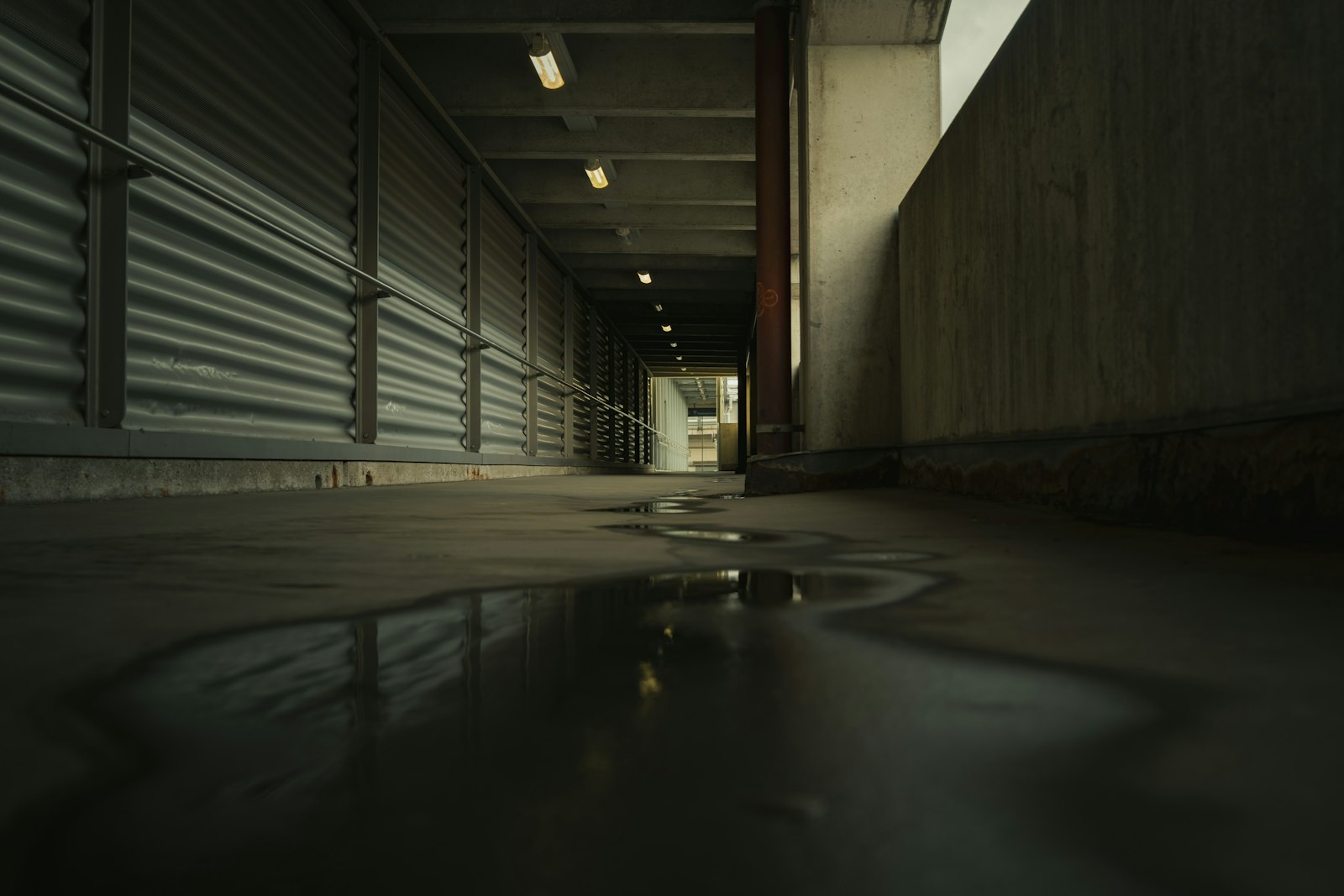
Emergency Water Extraction
Every hour standing water sits, it soaks further into flooring, baseboards and cabinet bases.
Emergency Water ExtractionA split supply line, a monsoon downpour that got under the door or an air conditioner drain that quietly overflowed all end the same way: water spreading across a slab floor. Phoenix Flood Repair connects you with independent water damage restoration providers. Availability varies by provider; ask the provider to explain the cost before work starts.
Every hour standing water sits, it soaks further into flooring, baseboards and cabinet bases.
Emergency Water Extraction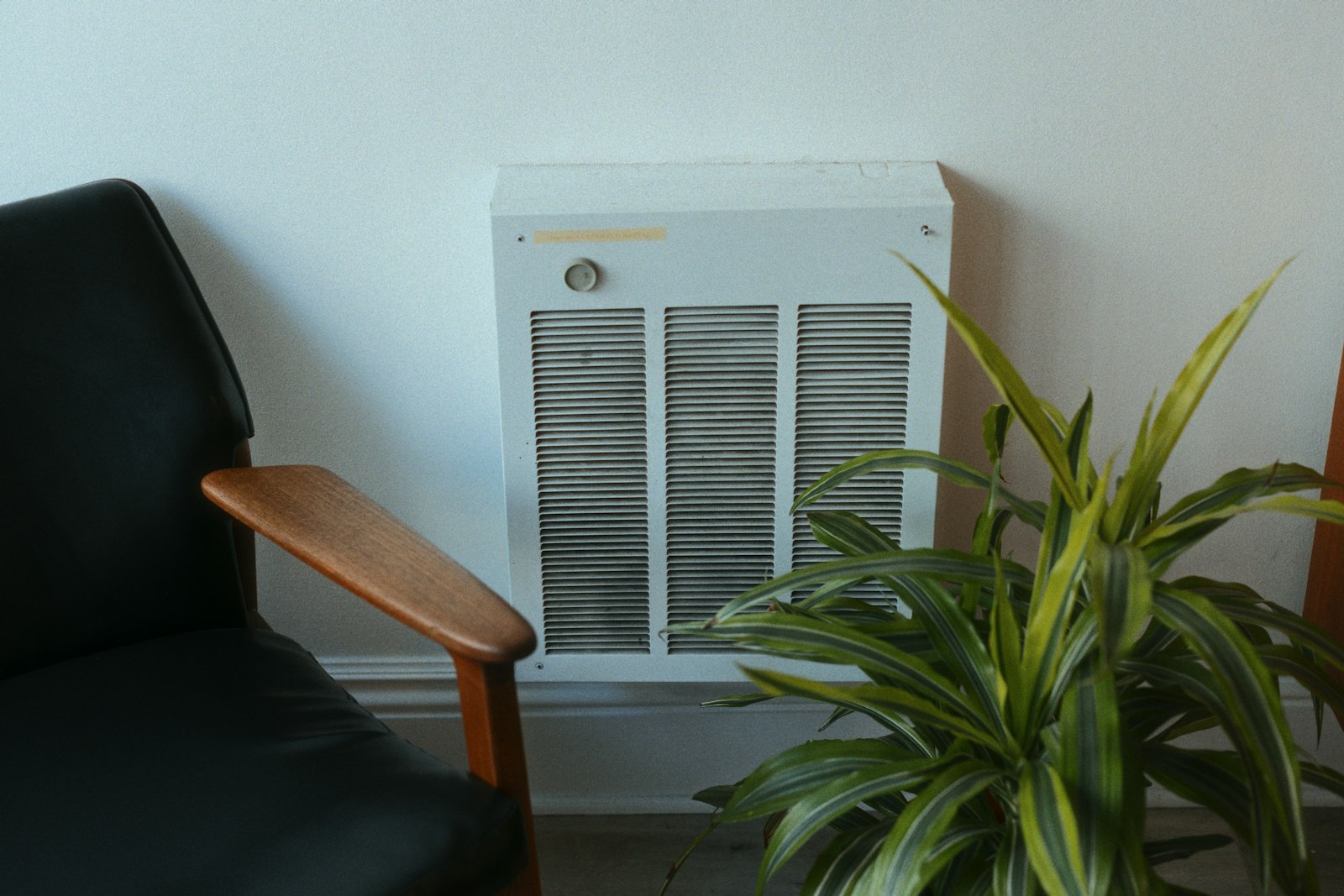
A tile floor can feel dry on top while the slab, subfloor and wall cavity behind it stay wet.
Structural Drying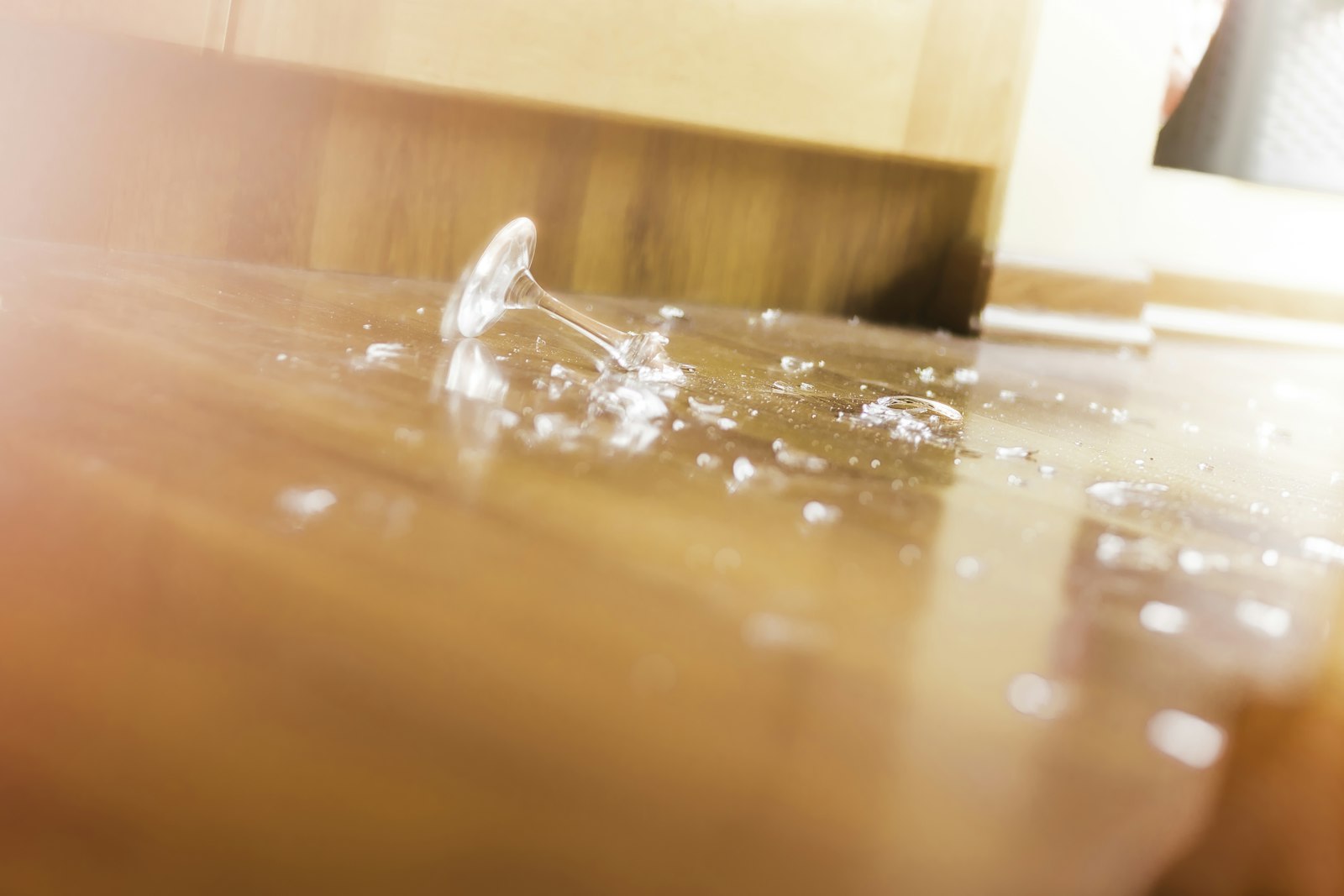
A split supply line or a slab leak can run for hours behind a wall before anyone notices.
Burst Pipe Cleanup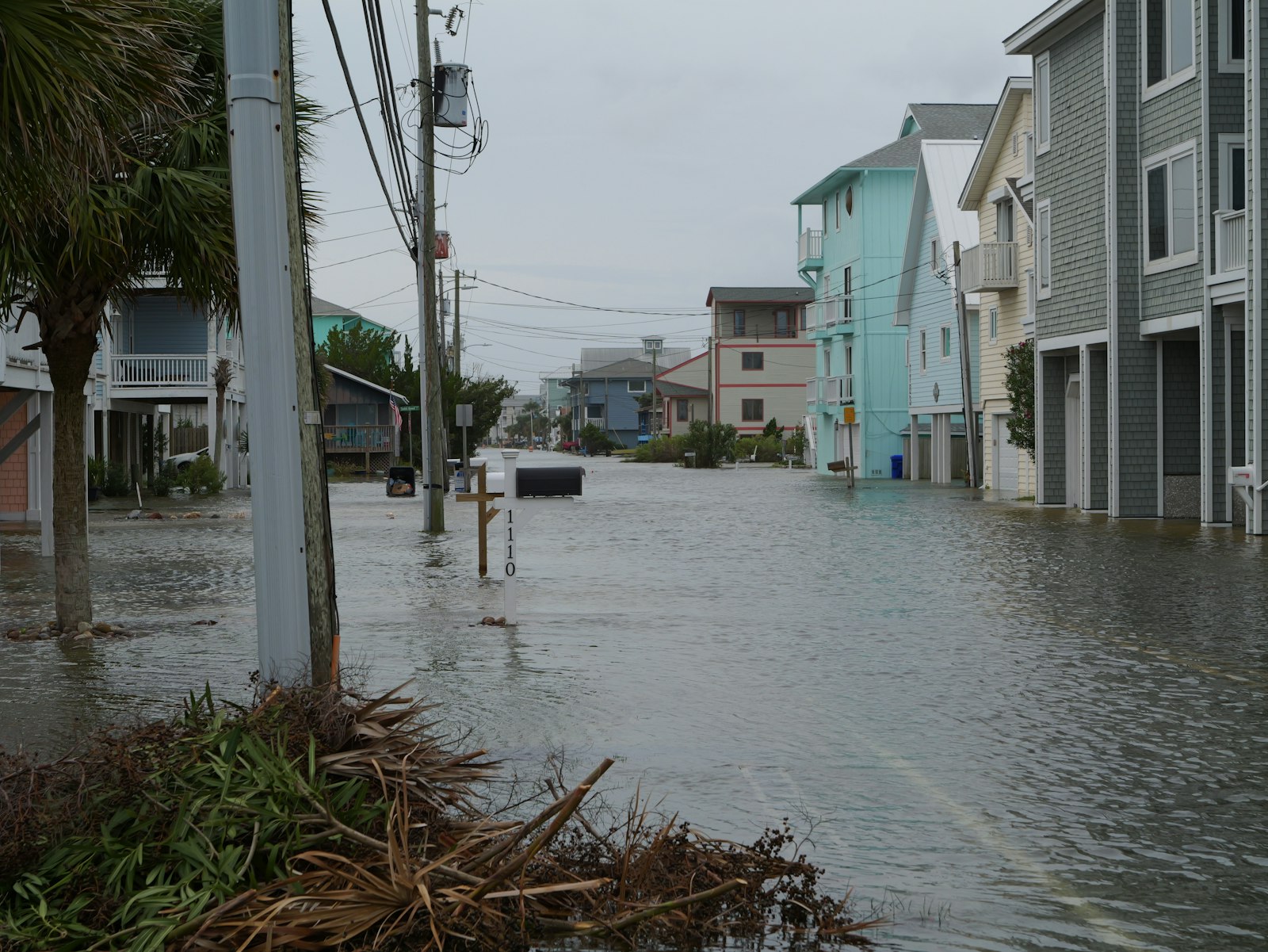
Monsoon water that comes in from outside carries dust, mud and whatever the street was holding.
Storm and Flood Cleanup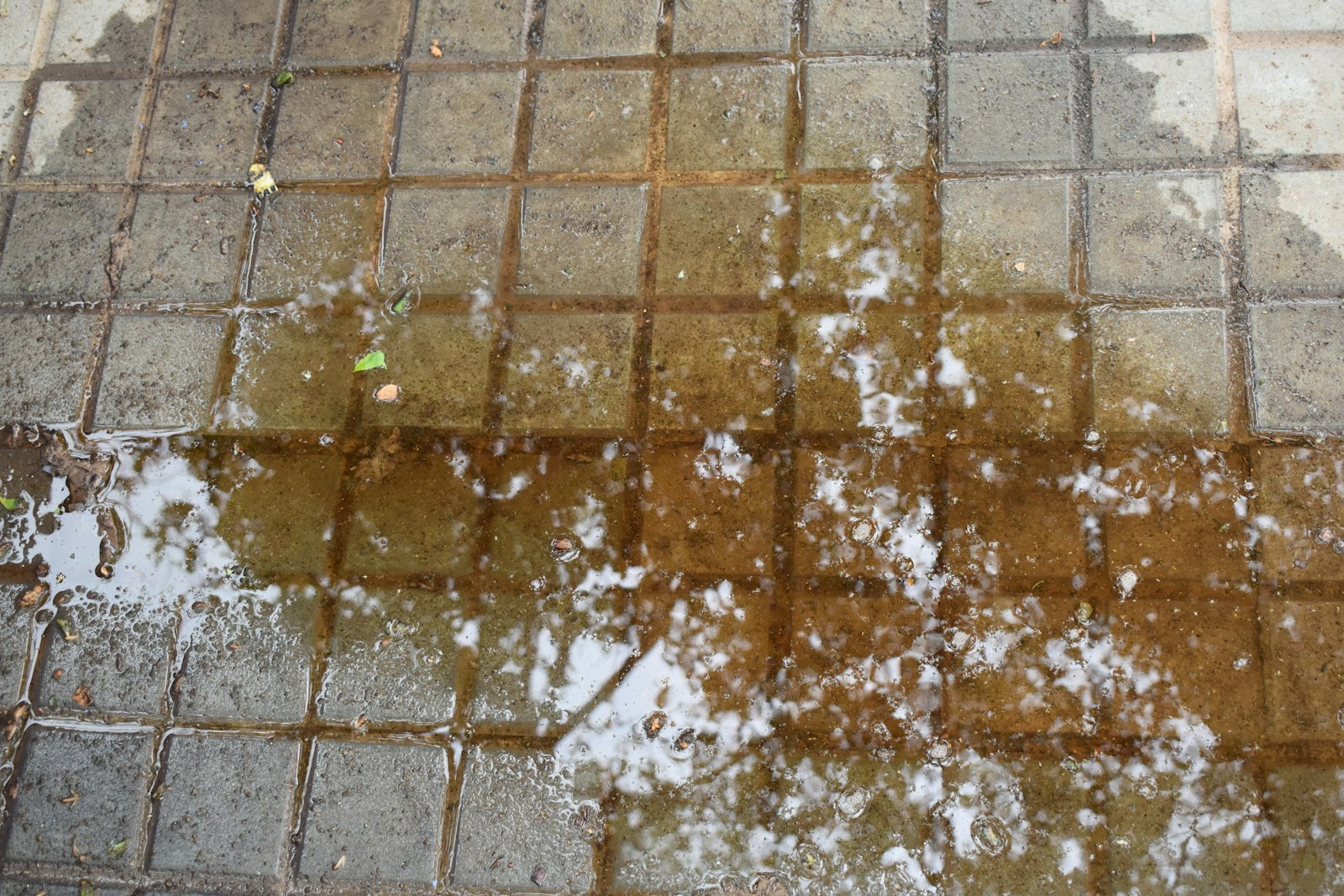
A drain backing up is a health hazard. Keep people and pets out of the room until it is handled.
Sewage Cleanup
Desert air is dry, but wet drywall and cabinet bases hold their own moisture for days.
Mold Remediation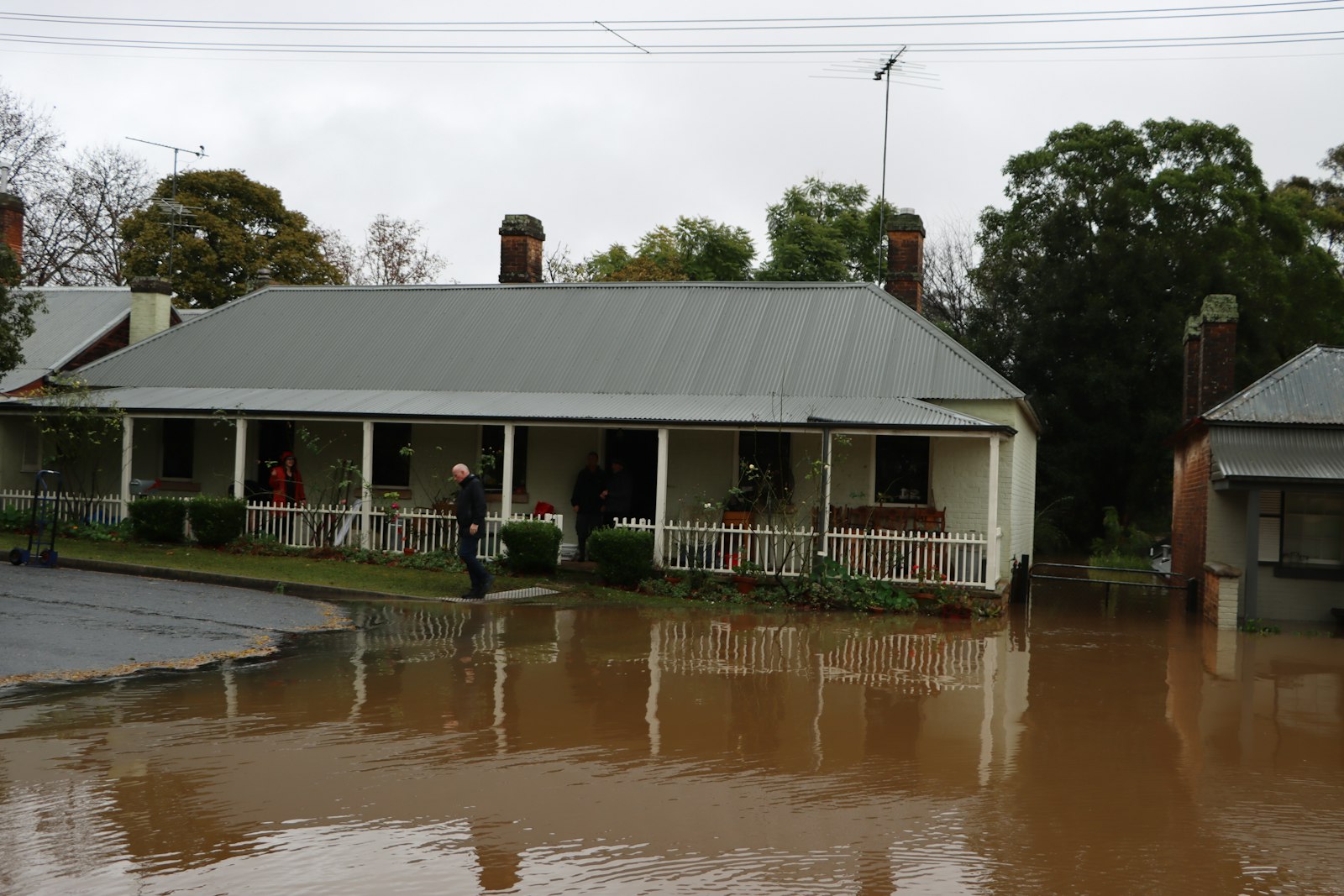
Shops, offices and warehouses need cleanup planned around tenants, stock and trading hours.
Commercial Restoration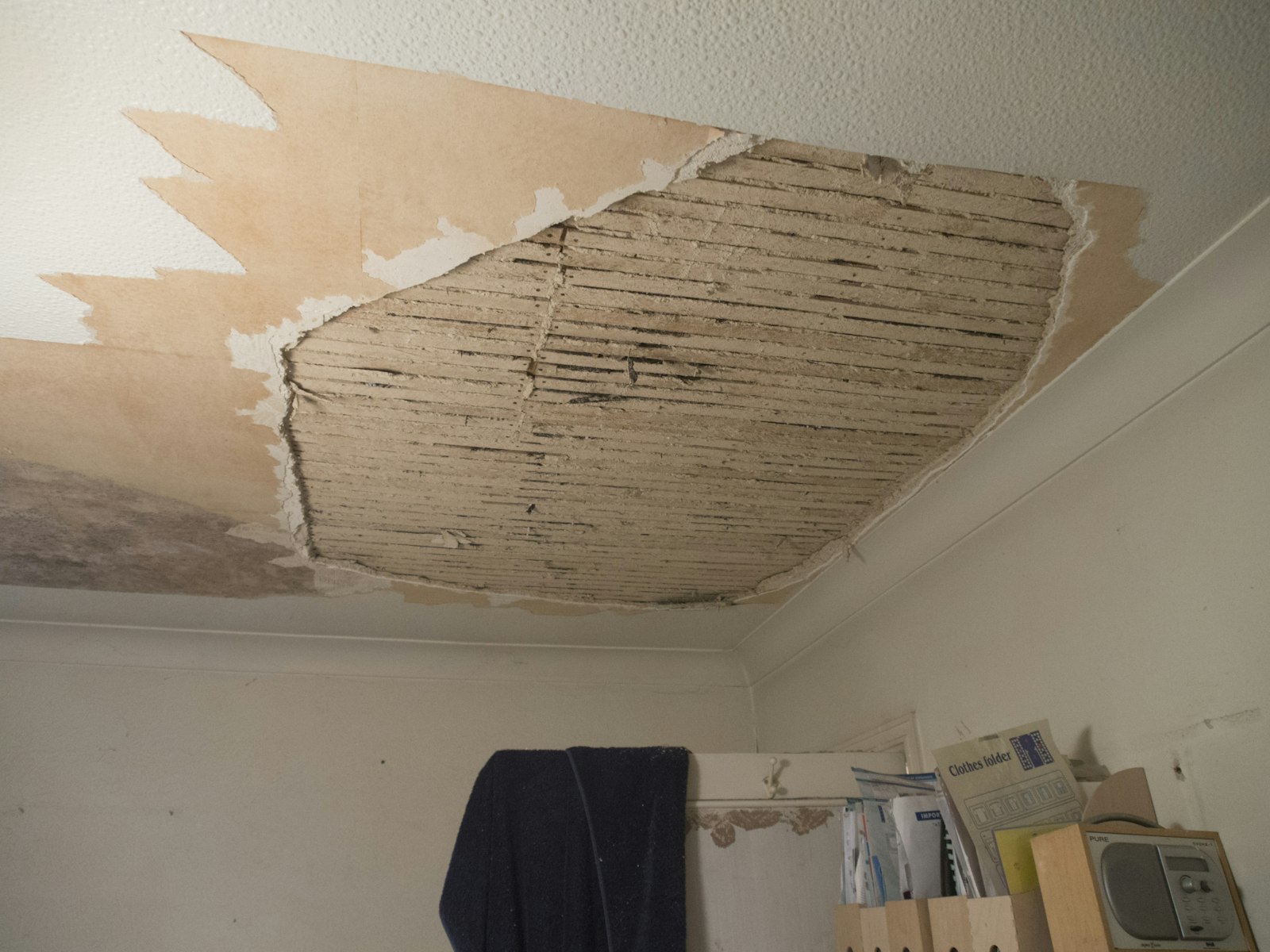
Rain that gets under tile or sits on a flat roof section shows up as a ceiling stain.
Roof Leak Cleanup
A washer hose, a dishwasher or a water heater can run for hours with nobody in the room.
Appliance Leak CleanupDrying a room while water is still arriving wastes everyone's time. An independent provider should trace where the water came from and confirm it has stopped before equipment goes in.
Moisture meters show how far the water traveled under flooring and up drywall. You see the readings, and you see them again at the end.
Ask the provider to confirm scope and price before extraction and drying begin, and to note anything that may need a second visit.
Phoenix homes are slab-on-grade with no basement, so water does not drain downward. It runs sideways across tile and wood, soaks into carpet pad and wicks up the bottom of drywall and cabinet boxes. That is why the wet area is almost always larger than the wet spot you can see.
A clogged condensate line is one of the most common hidden water sources in the valley. Water backs out of the air handler closet or drips through the ceiling from the attic pan.
What drying involvesHard water and years of heat are rough on copper and on the plastic supply lines used in many 1980s and early 1990s homes. Shut the water off at the main and call.
Burst pipe cleanup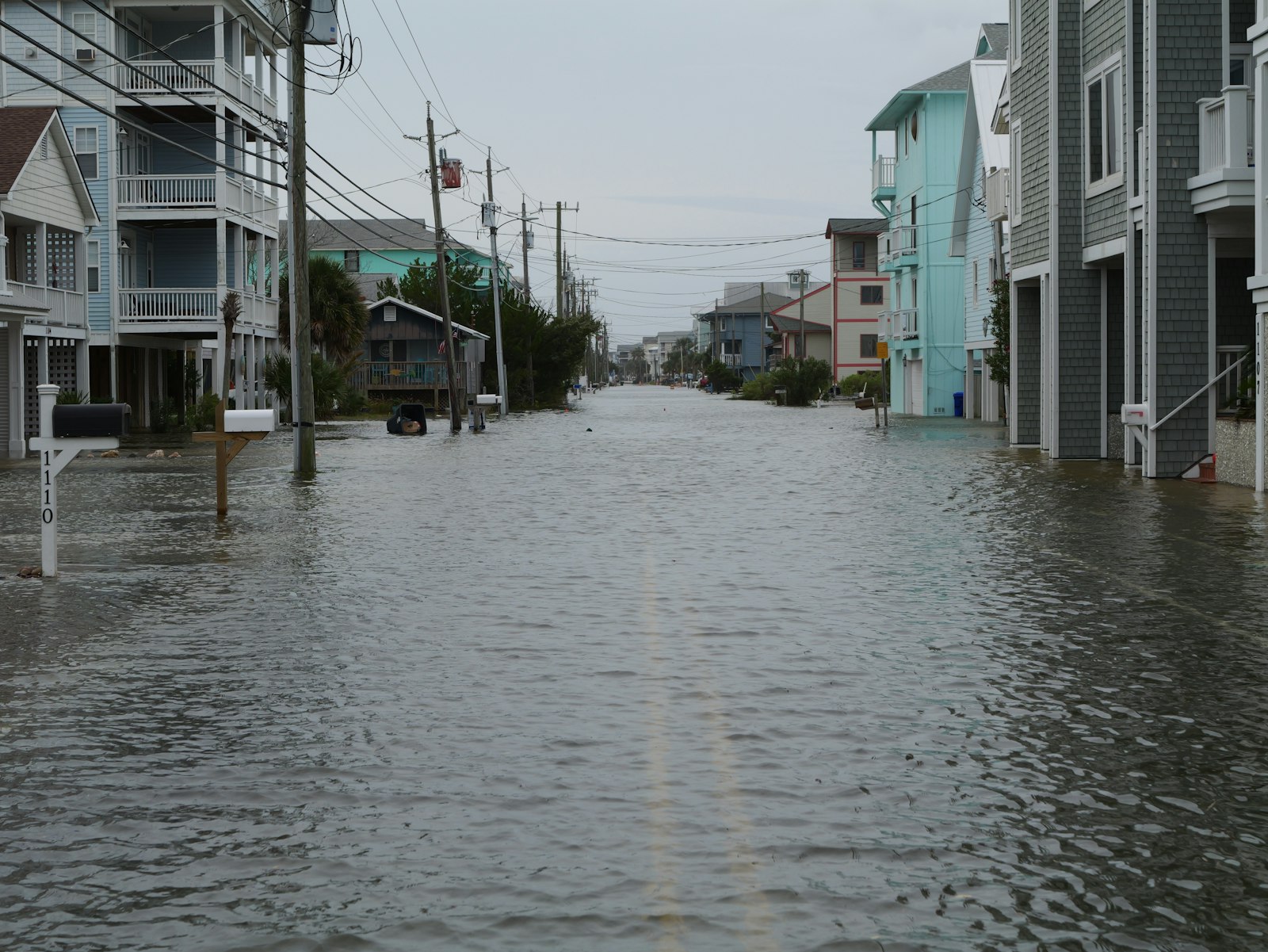
A monsoon downpour can push water under a door or through a roof in minutes. Do not walk through standing water near outlets or appliances.
Storm and flood cleanupSewage on the floor is a biohazard. Stop using water in the house, keep the room closed off and leave the cleanup to a crew with the right gear.
Sewage cleanupCarpet can look almost dry while the pad underneath holds water against the slab. That is where smells and growth start.
Water extractionA smell that appeared after a leak usually means something is still wet. The moisture source has to be fixed before anything is cleaned up.
Mold remediationSay where the water is coming from, how long it has been running and which rooms it reached, so an independent provider can plan.
Shut the water off at the main if you can do it safely, then confirm the address, gate codes and parking so the provider reaches the right door.
Ask the independent provider to map how far the water traveled, show you the readings and confirm the price before extraction and drying begin.
Air movers and dehumidifiers run until repeat moisture readings say the materials are dry; then ask for a walkthrough of what was dried and what still needs repair.
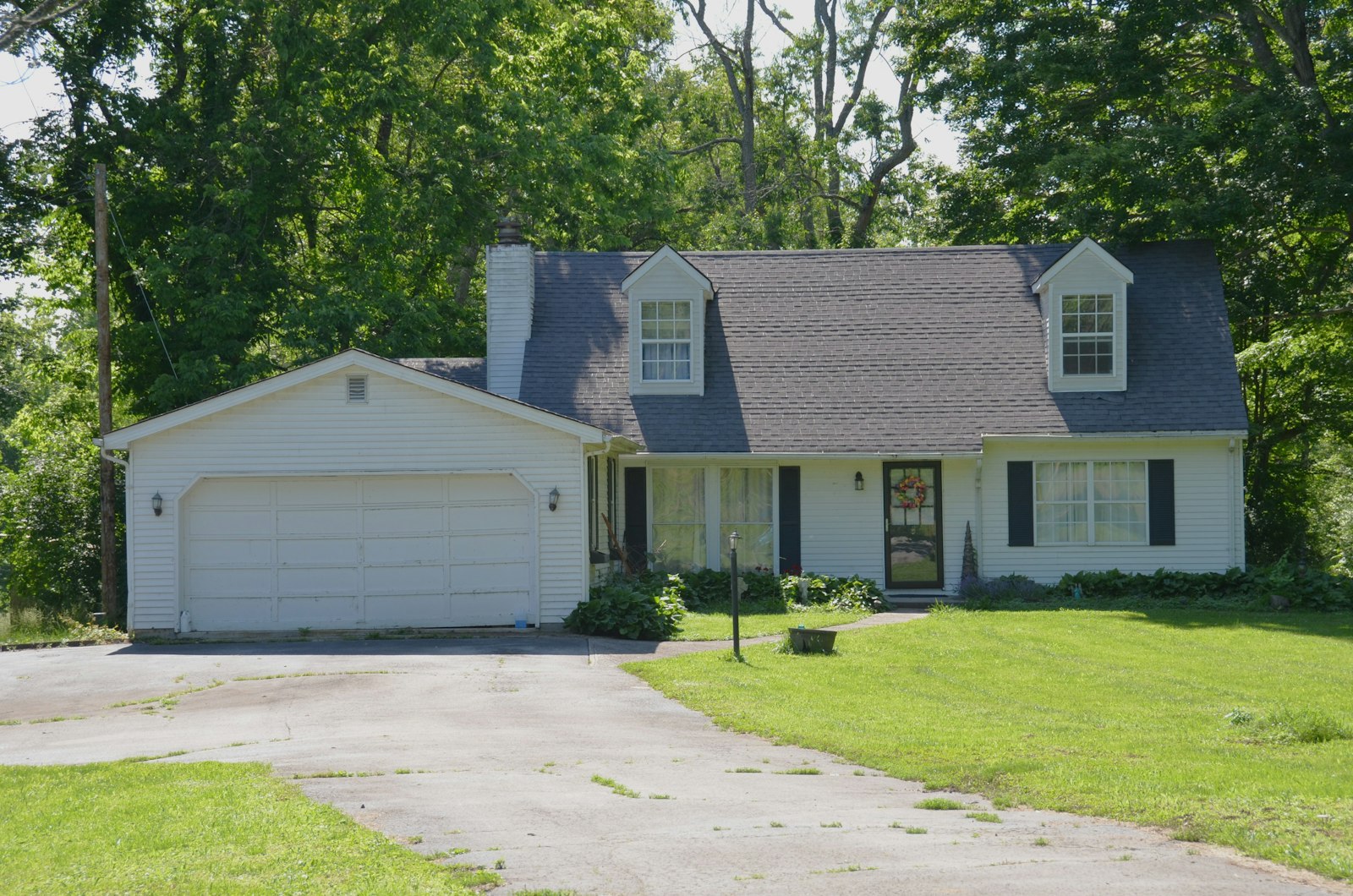
Runoff off South Mountain reaches the streets quickly, and water finds the lowest door on the property.
View Ahwatukee service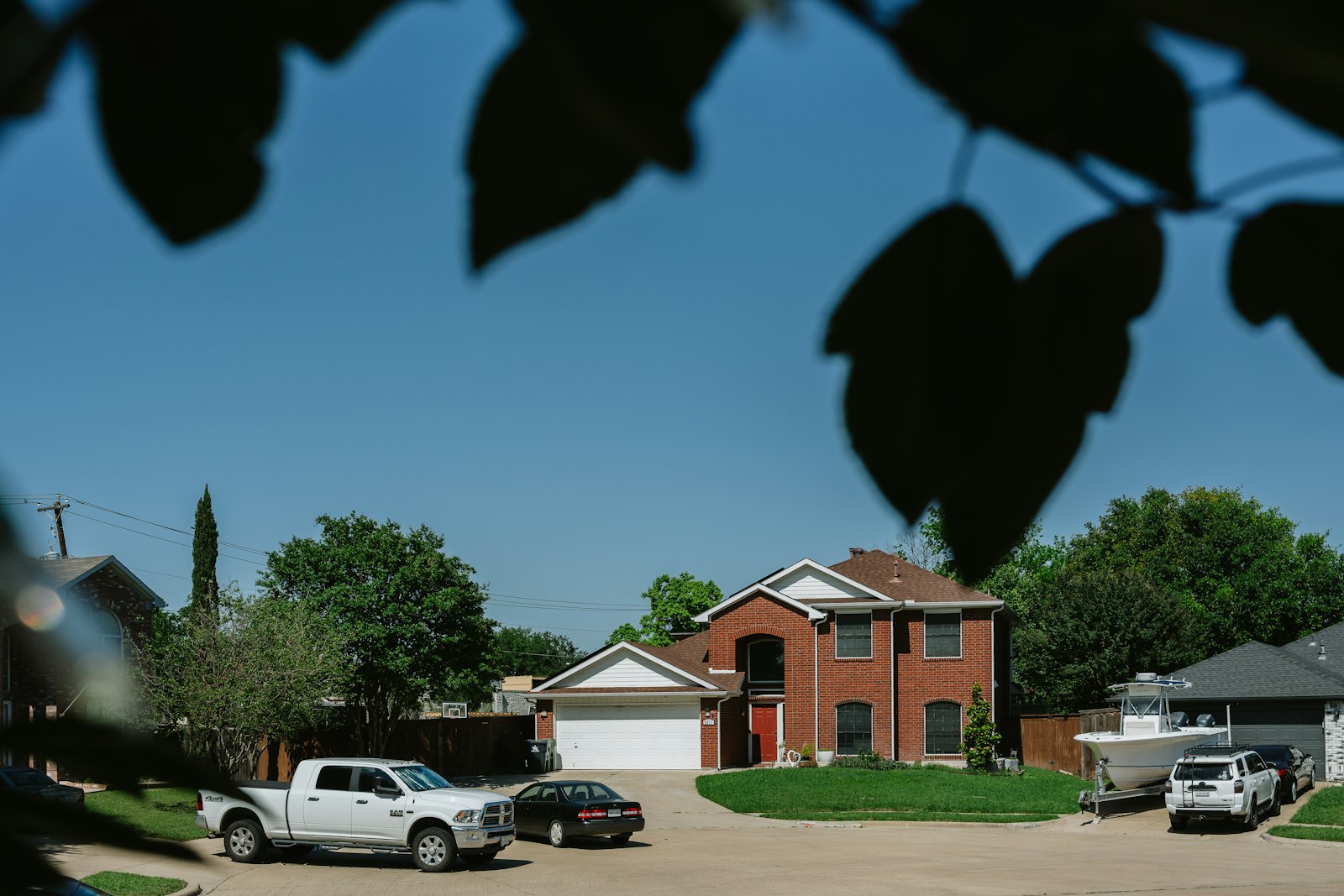
Older ranch homes, flood-irrigated yards and mature trees each create a different kind of water problem.
View Arcadia service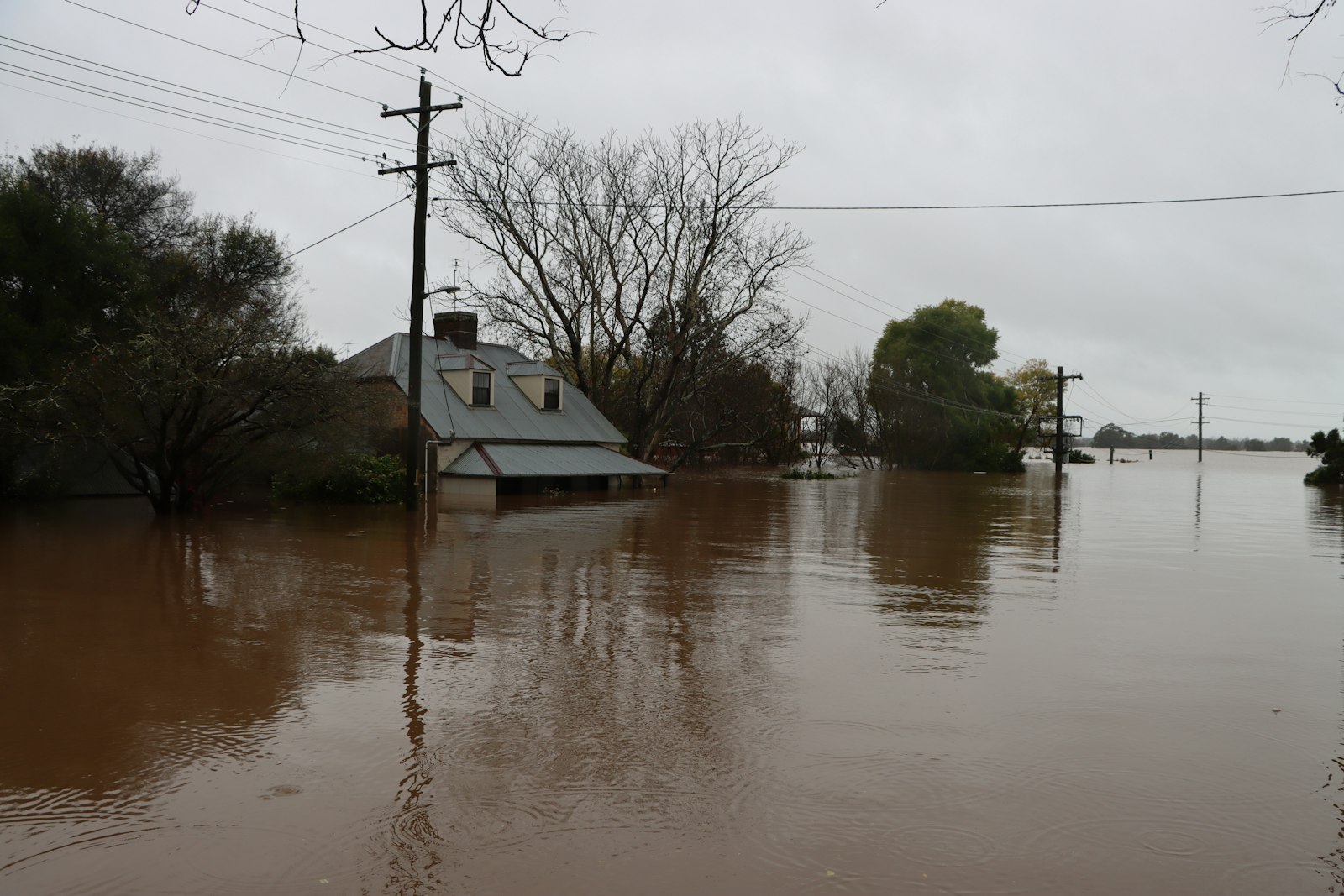
Large lots, low-slope roof sections and long irrigation runs can hide a leak for weeks.
View Paradise Valley serviceFlat ground and newer subdivisions mean storm water ponds in the street before it reaches a door.
View Laveen service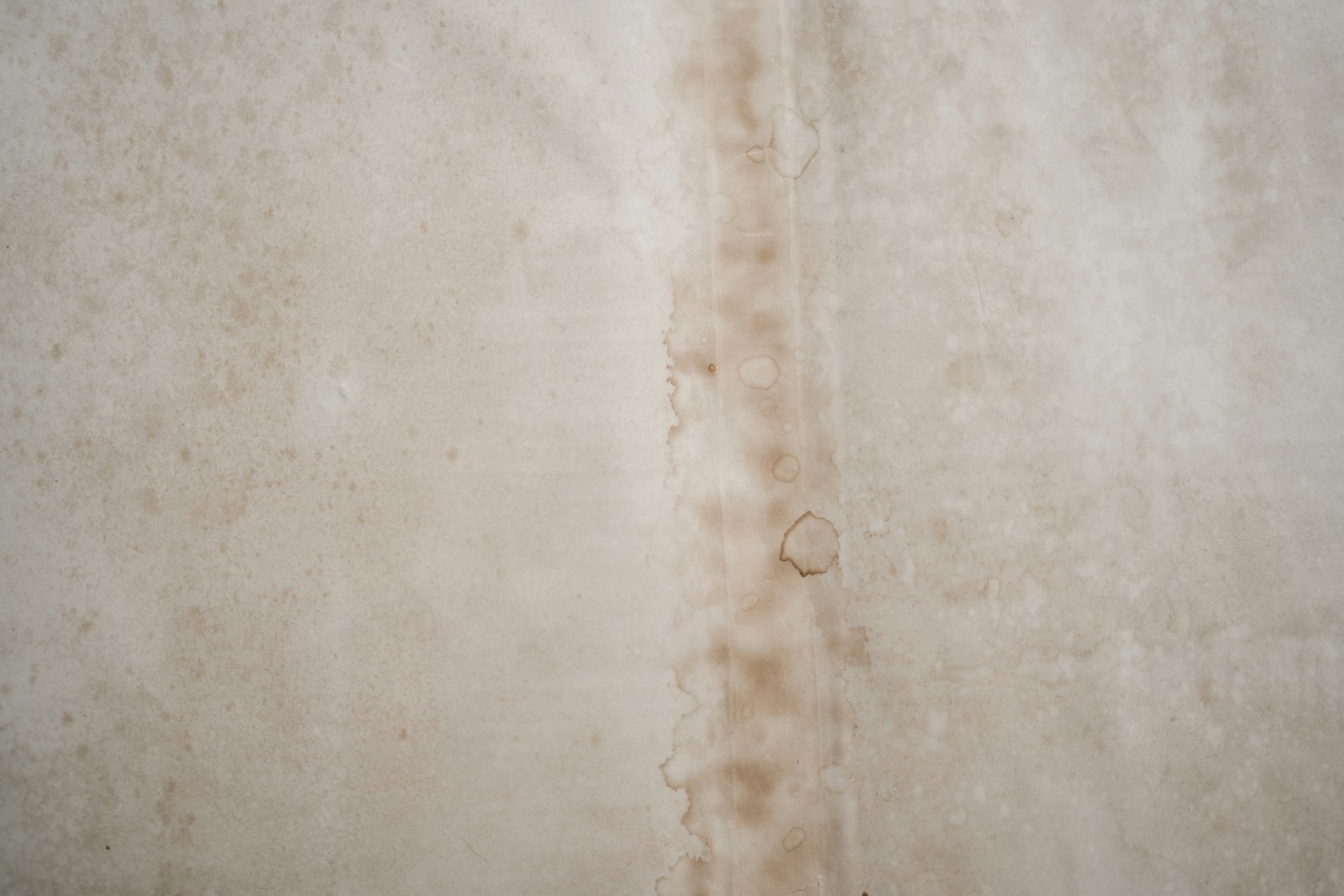
In two-story homes an upstairs leak shows up on a downstairs ceiling long after it started.
View Desert Ridge service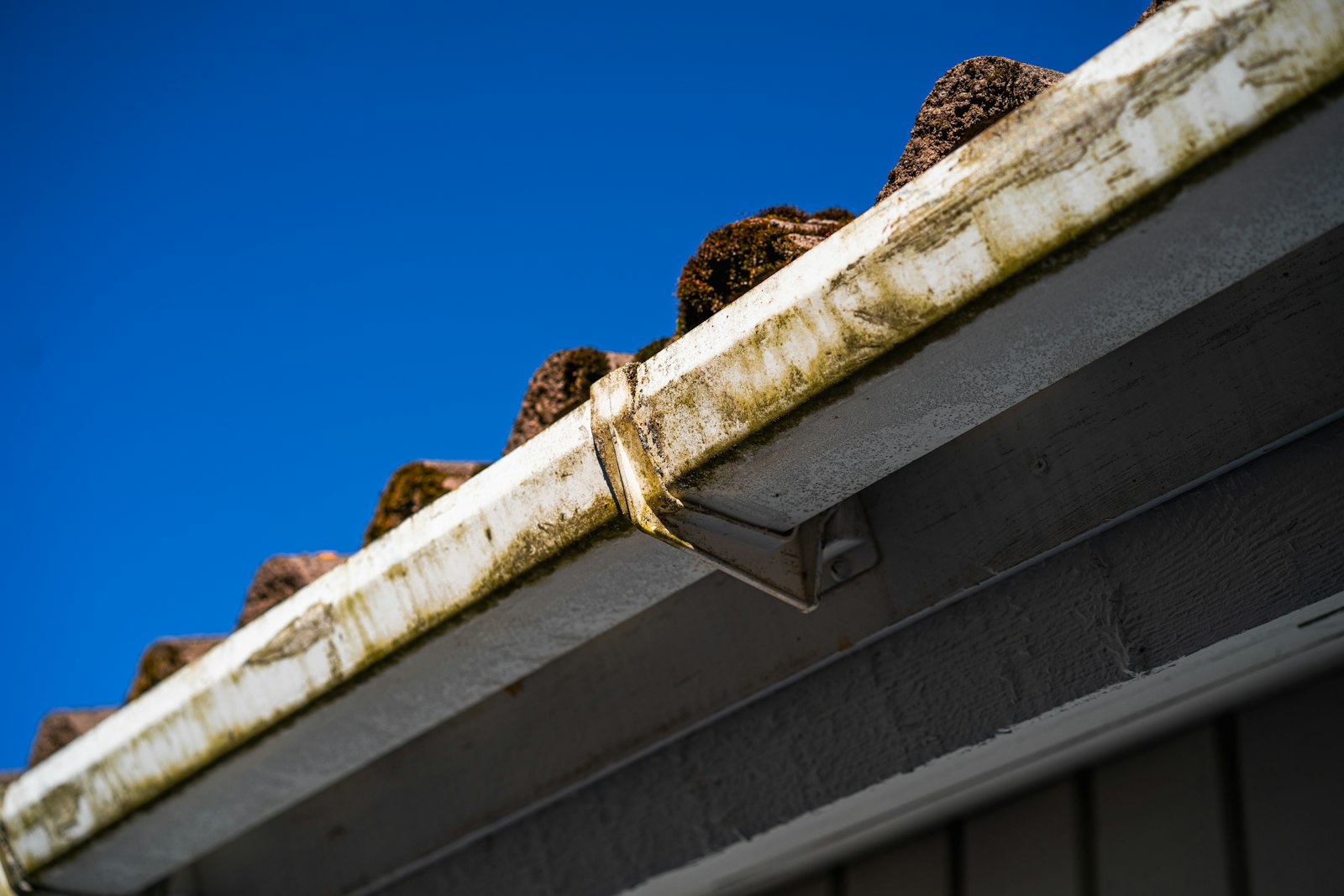
Homes, shops and warehouses sit side by side here, and each needs a different cleanup plan.
View Deer Valley service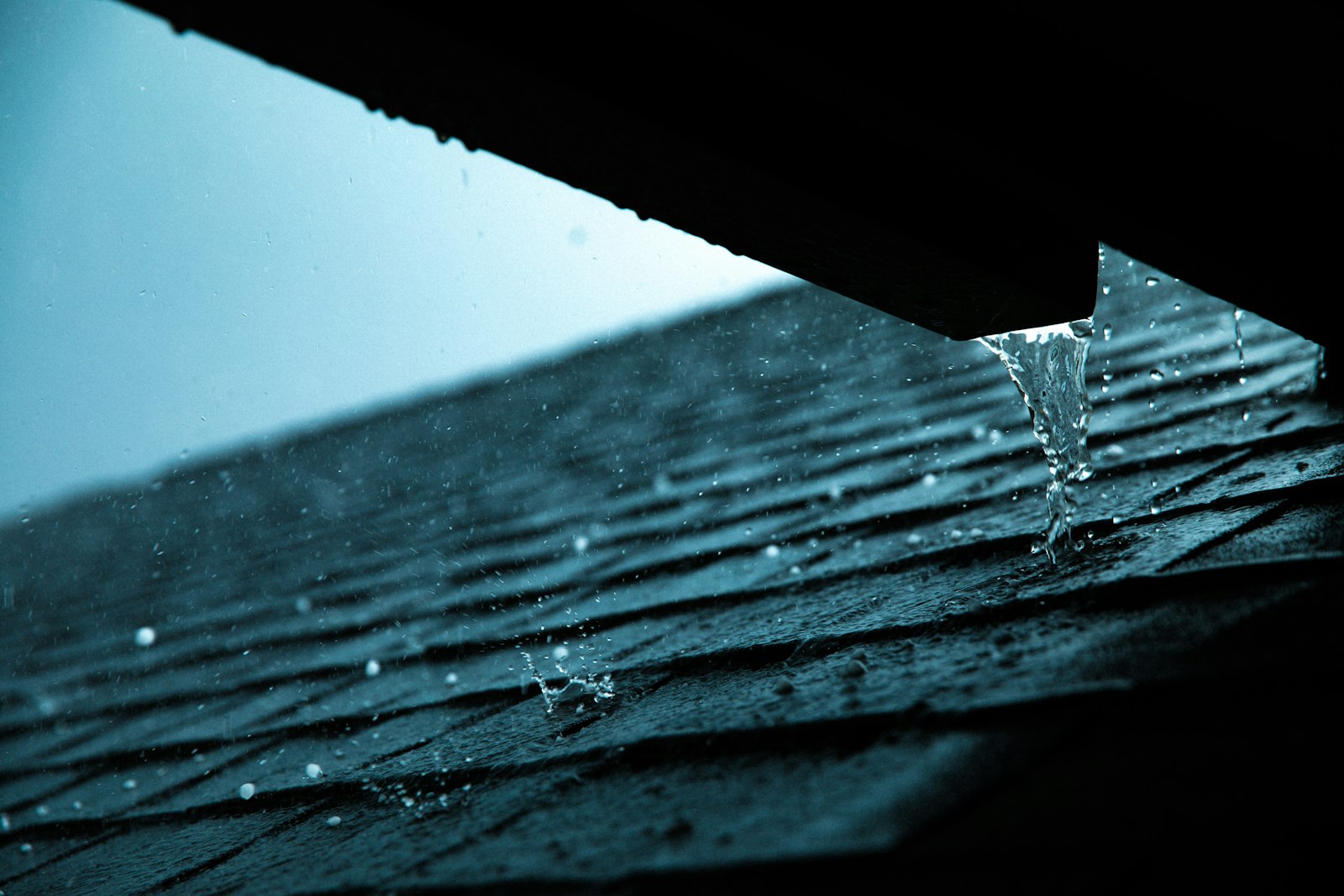
Older roofs, original plumbing and evaporative coolers are the usual suspects in this part of town.
View Moon Valley serviceNewer homes at the north edge of the valley, where desert washes fill fast in a storm.
View Anthem serviceWest side ranch homes with flat roof sections, older drains and original slab plumbing.
View Maryvale servicePricing is set by the provider and follows what the inspection finds: how much water there is, what it soaked into, how many rooms are affected and how long it sat. Ask the independent provider to show the moisture readings and confirm the price before anything starts. See what each service covers.
Phoenix Flood Repair connects callers with independent providers for extraction and drying across Phoenix and nearby villages including Ahwatukee, Arcadia, Paradise Valley, Laveen, Desert Ridge, Deer Valley and Moon Valley. Check service areas for your address.
Availability and scheduling depend on the independent provider and the property location. When you call, say whether water is still running, how many rooms it reached and whether anyone is in the property. Start a service request.
Shut the water off at the main if you can reach it safely, stay out of any room where water is near outlets or appliances, and photograph everything before you move it. Do not run the air conditioning or heat if the water came from a drain or from outside. Read the first 24 hours guide.
Clean water caught quickly usually means drying; dirty water, or water that sat for days, usually means removal. Carpet pad and swollen particleboard rarely come back, while tile over a slab and solid wood often do. The readings decide, not how the room looks. Compare drying and replacing.
It depends on the material, how long it was wet and how much of it there is. Equipment usually runs for several days, with readings taken at each visit and compared against a dry area of the same house before it comes out. Read about structural drying.
Yes. Mold grows on wet material, not on humid air, so soaked drywall, cabinet bases and carpet pad can start growing within days even here. Indoor humidity also climbs during monsoon storms, which is when a lot of water damage happens. See how remediation works.
Yes, and both should be treated as contaminated rather than as an ordinary spill. The affected rooms are typically contained, porous materials that absorbed the water are removed instead of dried, and surfaces are cleaned before drying begins. Read about sewage cleanup.
Usually on the supply line where it enters the house at the front, often near a hose bib, or in the garage beside the water softener loop. There is also a valve in the meter box near the street. Find yours before you need it and check the handle turns. See burst pipe and leak cleanup.
Yes. Calls about shops, offices, warehouses and multi-tenant suites can be connected; ask the independent provider about staging work around trading hours and documenting readings and photographs for landlords, tenants and insurers. See commercial restoration.
Call and describe where the water came from and what it reached to check whether an independent provider is available.