Find the moisture source
Meters and a visual inspection identify what is still wet and where the water is coming from. Nothing is cleaned until that is answered and the source is stopped.
People assume the desert is too dry for mold, but mold needs a wet material rather than humid air. An independent provider should find and fix the moisture source first, then remove growth under containment.
The common causes here are familiar ones: a clogged air conditioner condensate line overflowing into a closet or attic pan, a roof leak from a monsoon storm, an evaporative cooler line in an older home, a supply line under a sink, and a house shut up all summer with the thermostat set high while the owners are away.
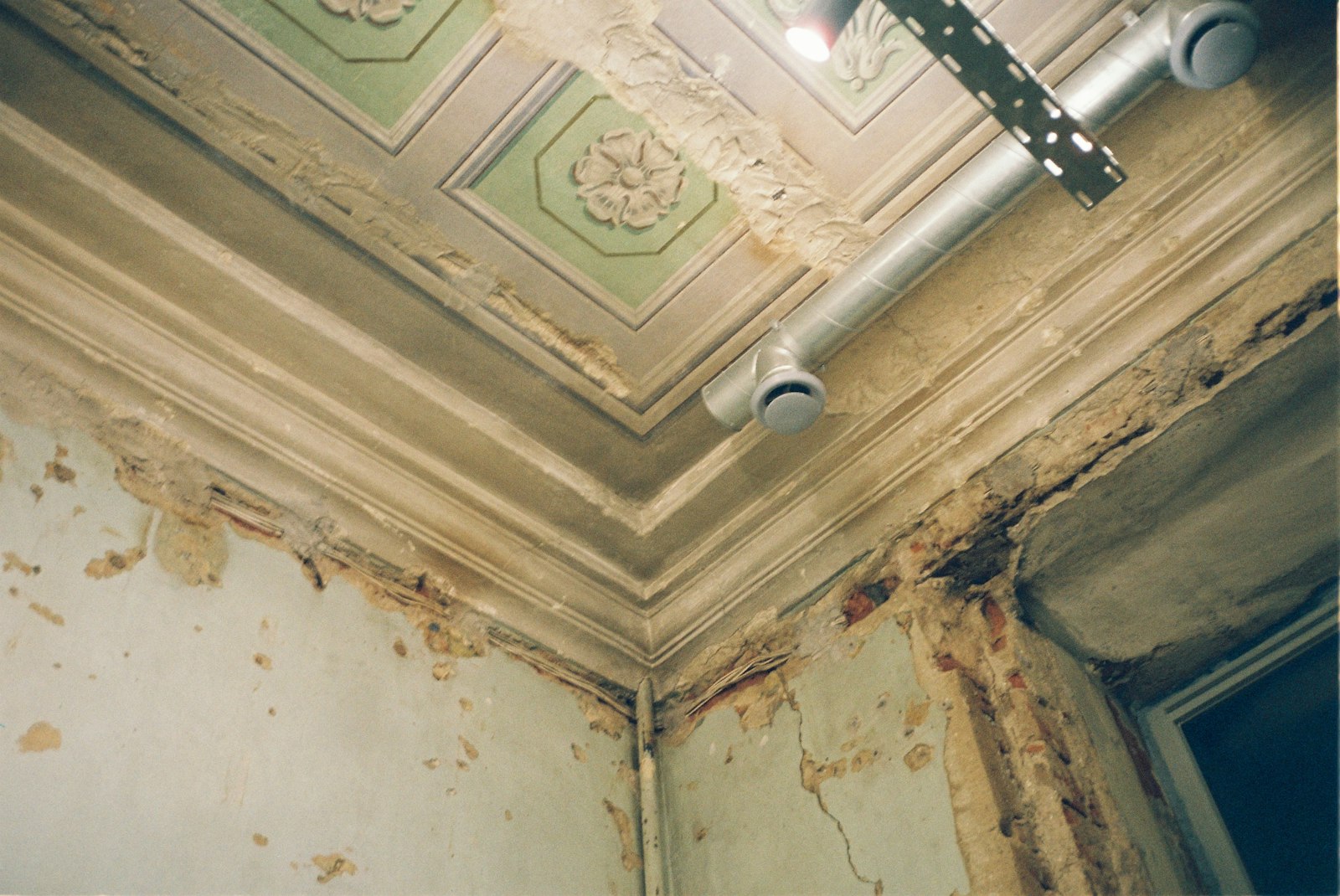
Cleaning growth without fixing what made the material wet only delays the problem. The order matters.
Meters and a visual inspection identify what is still wet and where the water is coming from. Nothing is cleaned until that is answered and the source is stopped.
Sheeting and negative air machines with filtration keep the work zone separate from the rest of the house while affected material is removed.
Affected porous material comes out, surrounding surfaces are cleaned, and the area is dried and rechecked before anything is closed back up.
Phoenix Flood Repair does not diagnose health effects. Mold can irritate, and people with asthma or allergies may react more than others; anything beyond that belongs to a doctor.
Ask any company what standards and training its technicians follow, what the containment plan is and how the work will be checked at the end. Those are fair questions on every job.
If the leak is recent, start with structural drying or burst pipe cleanup instead. To weigh removal against drying, read dry and restore versus replace, or call about an inspection.
Mold grows on a wet material, not on dry desert air. Wet drywall, a soaked cabinet base or a damp carpet pad holds enough moisture on its own, and indoor humidity also climbs during monsoon season.
On constantly wet material it can begin within a couple of days, which is why drying is treated as urgent rather than as something to get to next week. See structural drying.
Wiping a small spot on hard tile or glass is reasonable. On drywall, wood or cabinet board, surface cleaning leaves what is inside the material and does nothing about the water that caused it.
The size of the affected area, the containment needed and how much material has to be removed, plus fixing whatever is keeping it wet. Ask the independent provider to set that out in a written quote before work begins.
Call and describe where the water came from and what it reached to check whether an independent provider is available.