Tracing where the water went
Water from a pressurized line travels along the top of the slab, under cabinets and into adjoining rooms. Meters and a thermal camera show the real extent before anything is opened up.
A supply line that splits keeps releasing water until someone shuts it off, often behind drywall or under the slab. An independent provider can clean up what it soaked and help you see how far it went.
In most Phoenix homes the main shutoff is where the supply line enters the house at the front, often near a hose bib, or by the softener loop in the garage; there is also a meter box near the street. Find it before you need it. Copper under the slab in older houses corrodes into pinholes in hard water, and many homes built from the early 1980s to the mid 1990s still have the plastic supply lines that were common then and are known to fail.
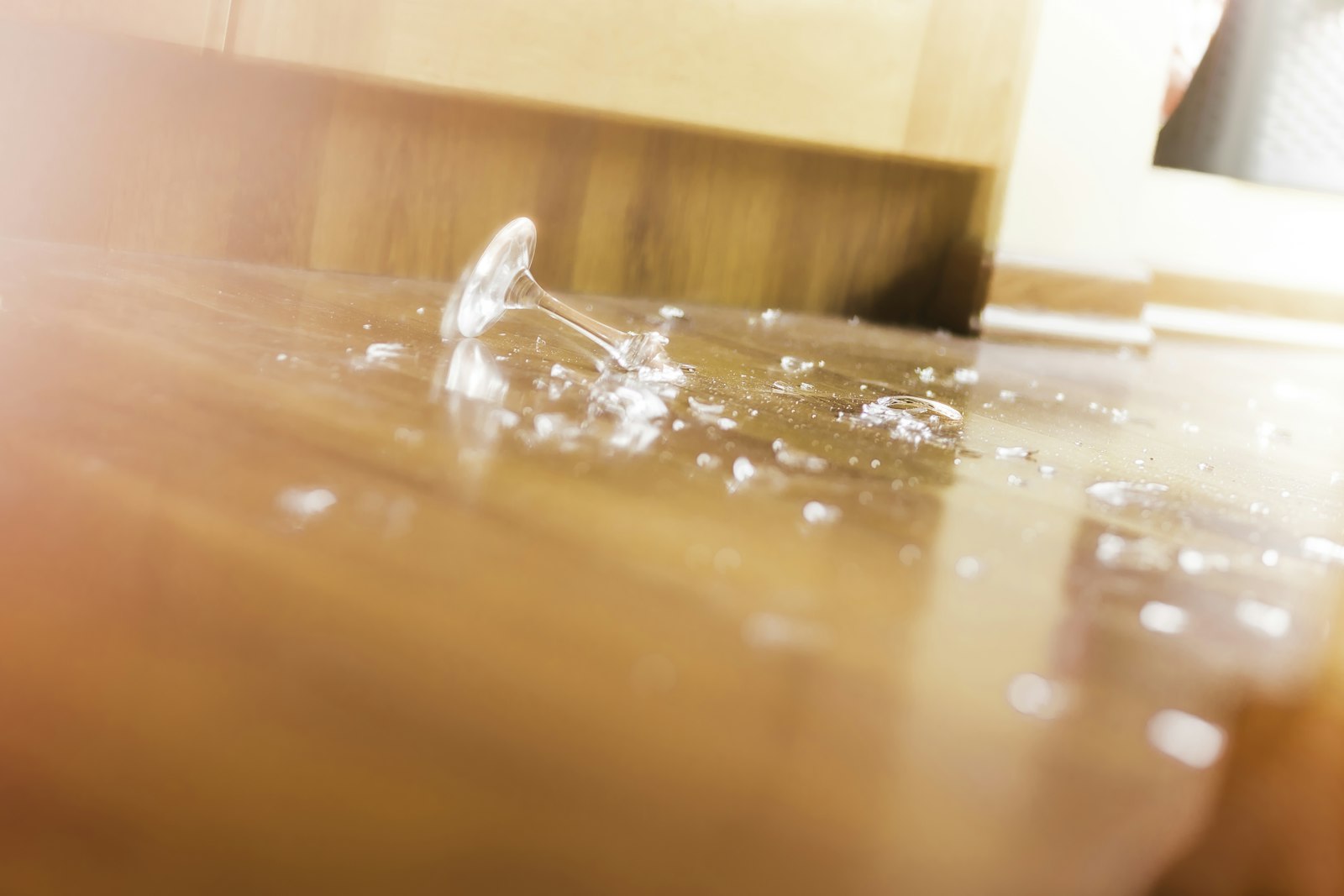
The plumbing repair itself and the water damage cleanup are two different jobs. An independent restoration provider handles the cleanup and drying; ask for a quote that keeps the two separated.
Water from a pressurized line travels along the top of the slab, under cabinets and into adjoining rooms. Meters and a thermal camera show the real extent before anything is opened up.
Drying a wall cavity or a cabinet base sometimes needs a small opening in a discreet spot. You approve the location before it is cut, and it is recorded for the repair stage.
Once the structure is dry, ask for a written note of what was removed and what still needs replacing, so a repair quote can be prepared without guesswork.
A leak that ran for a week soaks far more than one caught in ten minutes, and that difference usually decides whether flooring and cabinets can be dried or have to come out.
Compare both routes in drying versus tearing out. For the drying stage itself, see structural drying, and for the initial removal of standing water, see emergency water extraction.
If the leak sat unnoticed for a while, read about mold remediation as well, or check your neighborhood on the service areas page.
Shut the water off at the main valve at the front of the house or in the garage if you can reach it safely. Leave gas and electrical alone unless you are certain it is safe, and never reach into a panel or a switch with wet hands or wet feet.
An independent restoration provider handles the water damage cleanup, drying and the record of what needs replacing. The plumbing repair itself is arranged separately, so drying does not start while water is still leaking.
A warm spot on the floor, the sound of water with every tap closed, unexplained damp along one wall and a water bill that jumped are all common signs. The inspection confirms it with meters rather than by breaking concrete.
The quote follows how long the water ran, how many rooms it reached and what it soaked into. Ask the independent provider to explain the required work and its price after walking the property. Read how a visit is run.
Call and describe where the water came from and what it reached to check whether an independent provider is available.