Water Damage Insurance Claim Basics
Phoenix Flood Repair explains what to document, what to keep and what to ask before repairs begin, written plainly for Phoenix homeowners after water damage.
- Restoration Referrals
- Independent Pros
- Drying & Repairs
By Phoenix Flood Repair · Updated September 2026
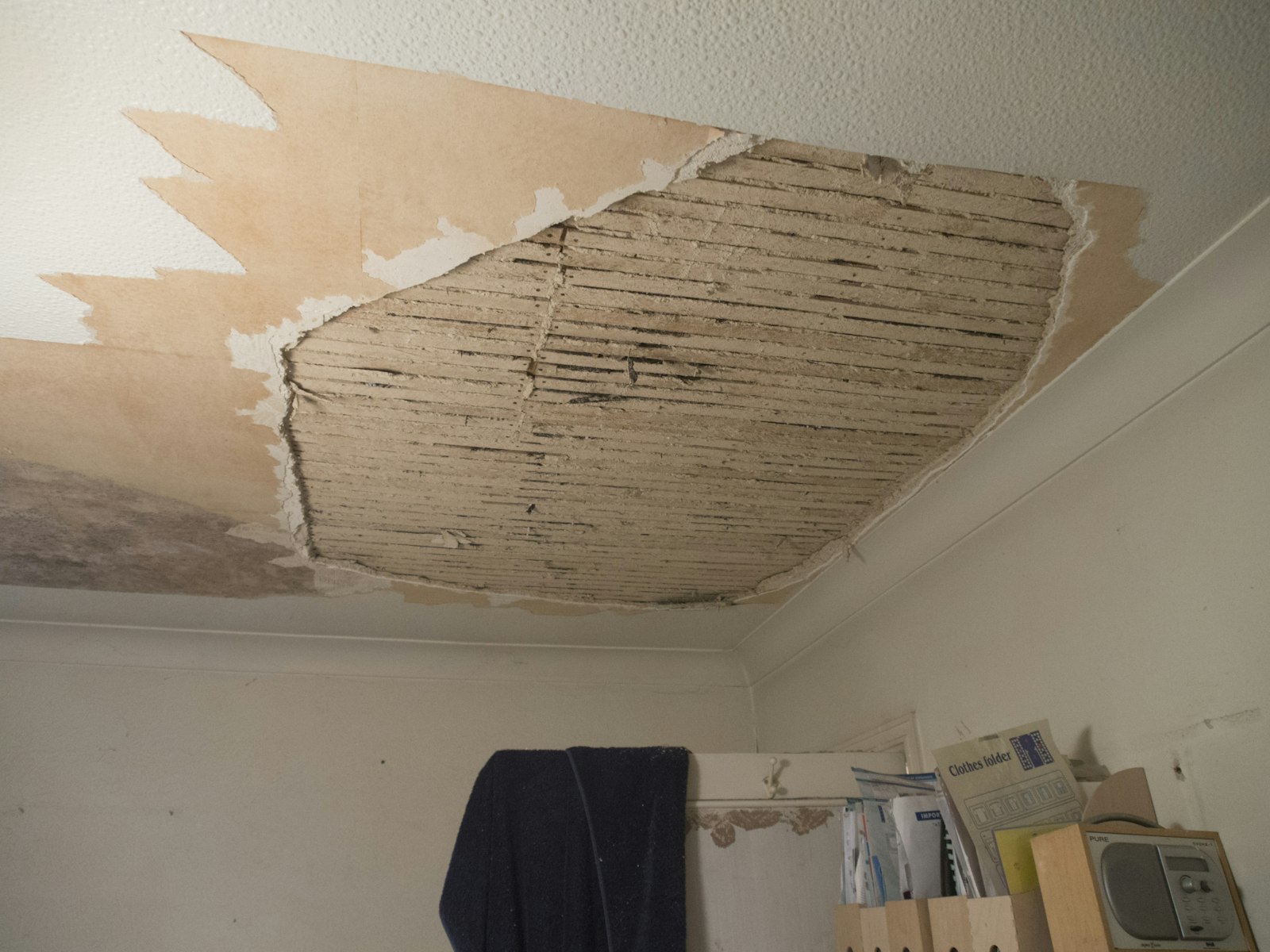
Document Before You Clean Up
Whatever else happens, the record you make in the first hour is the one you will rely on later. Photograph every affected room wide and close, take a short video walking through the house, and capture the source of the water if it is visible. Include cabinet interiors, closet floors, the underside of furniture and anything stored on the floor.
Write down the date and time you discovered the water and what you did about it, including when the water was shut off. If a neighbor, a building manager or a plumber was involved, note that too. None of this takes long, and it is far easier than reconstructing the sequence from memory weeks later.
Do Not Throw Anything Away Yet
It is natural to want damaged items out of the house, but items that have been discarded cannot be inspected. Move them to a garage, a side yard or a dry corner instead, keep them grouped by room, and photograph them where they sit. The same goes for removed building material such as a section of baseboard or carpet pad.
Keep receipts for anything you buy in response to the damage, and keep the invoices and paperwork from any contractor who attends. A written scope of work, the moisture readings and the before-and-after photographs together tell a much clearer story than an invoice on its own.
Understand What You Are Asking About
Policies differ widely, and the wording matters more than general advice does. Read your own policy or ask your agent directly: what is covered, what the deductible is, whether there are separate provisions for water that comes in from outside, and what the reporting deadlines are. Nobody outside your insurer can tell you what your policy covers.
Be careful with the language in your own description as well. Water from a burst supply line, water from a drain backing up and water that entered from outside are treated differently by most policies, so describe accurately what happened rather than guessing at a category.
Mitigation Is Usually Expected
Most policies expect the homeowner to take reasonable steps to stop further damage. That does not mean doing the repair yourself. It means stopping the source if you safely can, getting the water extracted promptly and letting the structure be dried rather than leaving it wet for a week while you wait for a decision.
This is one reason the first call matters. Drying that starts on day one usually means less material has to be removed, which is better for the house whether a claim is involved or not. Keep the documentation of that work; it shows what was done and when.
Questions Worth Asking Before Work Begins
Ask any restoration company for a written scope and a written price before work starts, and ask what will be documented for you: photographs, moisture readings, an equipment log and a list of what was removed. Ask who you will be dealing with day to day and how changes to the scope get approved.
Whether a company coordinates directly with an insurer varies, so ask rather than assume, and treat any promise about what will be approved with caution. No contractor can decide a claim. What a good one can do is give you complete, accurate records to submit.
Water Damage Claims in Phoenix
Locally, the cause of loss is often something specific to how homes here are built and used: a supply line under a slab, a water heater in the garage, an air conditioner condensate line that backed up in summer, or monsoon rain that came in through a low-slope roof or under a door. Describing the mechanism clearly helps everyone, including you.
If the water came in from outside during a storm, note the date and roughly the time, because a storm date is easy to corroborate. Phoenix monsoon storms in 2022 and 2023 produced exactly this kind of damage across the valley. For an example of how neighborhood conditions factor in, see water damage restoration in Laveen, where flat ground means storm water ponds before it reaches a door.
Arrange an Inspection
None of this is legal or insurance advice, and your policy is the authority on what it covers. What an independent provider can do is document the damage properly and quote the work in writing. Read how a job is run, see emergency water extraction, compare drying and replacing or call the number.