Basement Flooding Repair in Phoenix, AZ
Basement flooding repair in Phoenix starts with stopping the water source, documenting the damage, and drying the basement or below-grade room within 24-48 hours, the window EPA gives for preventing mold. Then wet drywall, carpet and pad are removed or dried. Call (623) 253-9281 to be connected with a local provider.
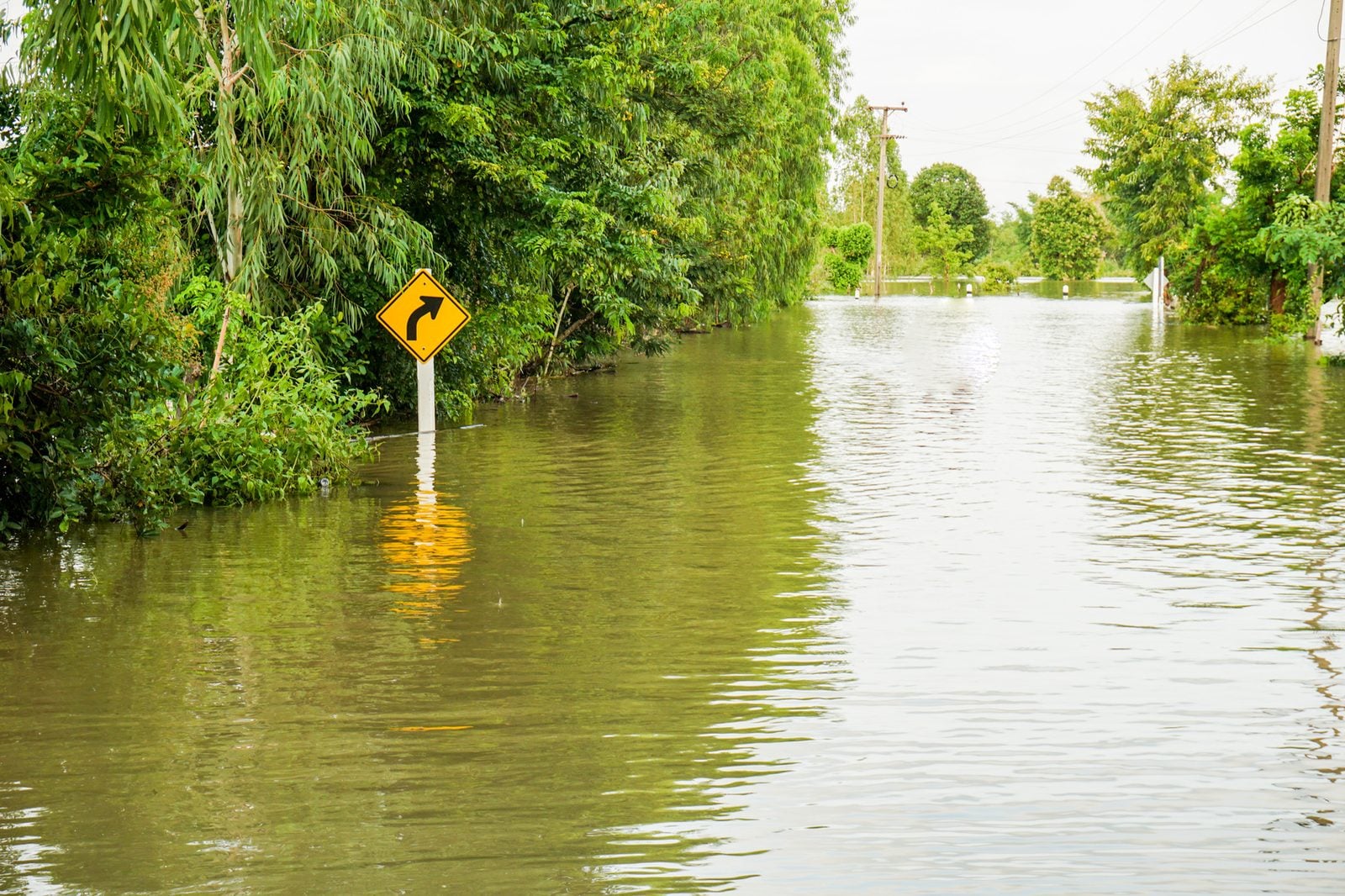
- Not every Phoenix home has a basement, but basements, sunken rooms and below-grade spaces can flood fast because water runs downhill to them.
- EPA says to dry water-damaged areas and items within 24-48 hours to prevent mold growth.
- ADHS advises removing sheetrock to at least 12 inches above the high-water mark after flooding.
- FEMA says most homeowners insurance policies do not cover flood damage.
- DIFI advises photographing the damage before any mitigation crew, plumber or contractor arrives.
What does basement flooding repair in Phoenix involve?
Basement flooding repair in Phoenix means finding and stopping the water, pumping or extracting standing water, drying the walls, floor and air, removing materials that cannot be saved, and then rebuilding. The same steps apply to a full basement, a basement-level office or a sunken room.
Most jobs move through these stages:
- Source control: close the main water valve for a plumbing leak, or wait for outside runoff to stop.
- Water removal: pumps and extraction tools pull standing water. See emergency water extraction.
- Drying: air movers and dehumidifiers dry what is left. See structural drying.
- Tear-out and rebuild: wet drywall, insulation, carpet and pad that cannot dry in time come out, then new materials go in.
Why do basements and below-grade rooms flood?
Basements and below-grade rooms flood because they sit lower than everything around them, so outside runoff, plumbing leaks and sewer backups all collect there first. Knowing which one you have shapes the whole repair.
- Surface runoff: storm water flows toward the house when the yard, driveway or patio slopes the wrong way, then enters through window wells, stairwells or doors.
- Plumbing leaks: a burst supply line, failed water heater or washer hose on an upper floor drains straight down.
- Sewer or drain backup: a blocked line can push water up through a floor drain or basement toilet.
What should I do first when my basement floods?
When a basement floods, stay safe first: keep out of standing water if outlets, cords or appliances are under water, and shut off power to that area only if you can reach the panel while standing somewhere dry. Then stop the source and start documenting.
- If water is coming from a pipe or appliance, close the main water valve.
- Take photos and video of the water level, walls, floor and belongings before anything is moved. Arizona DIFI advises taking pictures before any mitigation crew, plumber or contractor arrives.
- Call your insurance company or adjuster. DIFI advises calling them before a contractor.
- Move dry items up and out of the room.
- Call to be connected with a local provider for water removal and drying.
Need help now? Call to be connected with a local provider in Phoenix who can check availability for your address.
How do I tell where the water in my basement came from?
Look at where the water is deepest and when it started: water along an outside wall after a storm points to runoff, water near a utility area points to plumbing, and water rising from a floor drain points to a sewer or drain backup.
- After rain only: check window wells, exterior stairwells, downspouts and the slope of the soil next to the house.
- Any time, even on dry days: watch the water meter with every fixture off. If it moves, a pipe may be leaking.
- Dirty water with an odor: treat it as a possible sewage backup.
The City of Phoenix says issues from the street to the water meter are the City's responsibility, and issues after the meter are the homeowner's.
Is the water in a flooded basement safe to touch?
Treat floodwater in a basement as unsafe until you know its source, because storm runoff and sewer backups can carry dirt, chemicals and bacteria.
In plain words, restoration crews sort water into three groups:
- Clean water: from a broken supply pipe or faucet.
- Gray water: from a washer, dishwasher or AC drain, with some contamination.
- Black water: sewage or outside floodwater. This calls for protective gear and removal of porous materials it touched.
If you smell sewage, keep children and pets out and see sewage backup cleanup.
Does wet drywall and carpet in a basement have to come out?
Often yes. After flooding, the Arizona Department of Health Services advises removing all sheetrock to at least 12 inches above the high-water mark, and carpet pad that soaked up floodwater usually cannot be saved. Clean-water leaks caught early sometimes allow drying in place.
What usually decides it:
- Water type: sewage or outside floodwater means porous materials come out.
- Time: EPA says to dry water-damaged areas and items within 24-48 hours to prevent mold growth.
- Material: concrete and tile can be cleaned and dried; drywall, insulation, particleboard and pad soak up water and hold it.
How do I keep a flooded basement from getting mold?
To keep mold from growing after a basement flood, fix the water source first, then dry everything fast, since EPA says drying within 24-48 hours helps prevent mold growth. Drying the air matters as much as drying the floor.
- The Arizona Department of Health Services says to remove the source of moisture before cleanup, because mold will return if the area gets wet again.
- EPA advises keeping indoor relative humidity below 60 percent, ideally between 30 and 50 percent.
- EPA says that if a moldy area is less than about 10 square feet, you can usually handle the cleanup yourself. Larger areas are a reason to call.
See mold remediation after water damage if you already see or smell mold.
Will insurance pay for basement flooding repair in Arizona?
It depends on the cause. FEMA says most homeowners insurance policies do not cover flood damage, while Arizona DIFI says non-flood water damage may be covered if it results from a sudden or accidental event. Your own policy spells out what is and is not covered.
Many policies treat sudden damage differently from gradual leaks; check your policy and document everything. DIFI suggests keeping a log of times, dates, crew names and equipment used, such as dehumidifiers, air movers and moisture detectors. FEMA says there is typically a 30-day waiting period before a new National Flood Insurance Program policy takes effect, with some exceptions. See water damage insurance claim basics.
What happens during a basement flooding repair visit?
A basement flooding repair visit starts with an inspection, then an explanation of your options, then a written quote before any work begins.
- Inspection: the provider checks where the water came from, how high it rose, and takes moisture readings in walls, floors and framing.
- Options explained: which materials can be dried in place, which need to come out, and what equipment the room needs.
- Written quote: you get the scope of work in writing before work starts. DIFI notes it is your right to get more than one quote.
Verify coverage with your adjuster, not the contractor, and avoid high-pressure sales or door-to-door offers you did not ask for, as DIFI warns.
Basement flooding around Phoenix, from Deer Valley to Laveen
Phoenix is dry most of the year, which is why a flooded basement or sunken room can catch people off guard. National Weather Service offices define the monsoon as June 15 through September 30, NWS says Phoenix averages 2.43 inches of precipitation during the monsoon, and NWS says flash floods are common in Arizona. On one day in late September 2025, Phoenix Sky Harbor received 1.64 inches of rain, its highest one-day total since October 13, 2018. During the October 12-13, 2025 storms, NWS Phoenix reported water rescues, street closures and overflowing washes across the metro.
Rain totals vary by part of town. Sky Harbor's 1991-2020 average annual rainfall is 7.22 inches, while Phoenix/Deer Valley Airport in north Phoenix averages 8.90 inches.
- Deer Valley, Desert Ridge and Anthem: if your home has a basement or below-grade room, check window wells and stairwells before each monsoon.
- Laveen, Maryvale and Ahwatukee: lower-level rooms and sunken spaces can collect runoff from patios and driveways.
- Arcadia, Moon Valley and Paradise Valley: plumbing and drain lines are worth checking when water appears on a dry day.
To be connected with a local provider in your part of Phoenix, call (623) 253-9281.
Related pages
Questions people ask
Who do I call for basement flooding repair in Phoenix?
Call (623) 253-9281 to be connected with a local provider for basement flooding repair in Phoenix. Have photos ready and tell them whether the water came from a storm, a pipe or a drain.
Do houses in Phoenix even have basements?
Some do. Not every Phoenix home has one, but basements, basement-level offices and sunken rooms do exist, and any below-grade space can collect water during a storm or plumbing leak.
My basement flooded after a monsoon storm. What should I do first?
Stay out of the water if anything electrical is wet, then photograph the damage and call your insurer. Arizona DIFI advises taking pictures before any mitigation crew, plumber or contractor arrives.
How fast do I need to dry out a flooded basement?
As fast as you can. EPA says to dry water-damaged areas and items within 24-48 hours to prevent mold growth, and below-grade rooms often dry slower than the rest of the house.
Can I clean up a flooded basement myself?
You can handle a small amount of clean water from a pipe with a wet vacuum and fans. Sewage, outside floodwater, wet walls or more than a few inches of water are reasons to call for extraction and drying equipment.
How much drywall has to be cut out after a basement flood?
The Arizona Department of Health Services advises removing sheetrock to at least 12 inches above the high-water mark after flooding. A provider may recommend more if moisture readings show water wicked higher.
Why does my basement smell musty even after it dried?
A musty smell usually means moisture is still trapped or mold has started. The Arizona Department of Health Services says that if you can see or smell mold, you have a problem.
Does homeowners insurance cover a flooded basement in Arizona?
It depends on the cause. FEMA says most homeowners insurance policies do not cover flood damage, while DIFI says non-flood water damage may be covered if it results from a sudden or accidental event.
Why does water come up through my basement floor drain?
Water rising from a floor drain often points to a blocked or backed-up drain or sewer line. Treat it as possible sewage and avoid contact.
How do window wells cause basement flooding?
A window well that fills with storm runoff can push water through or around the basement window. Keeping wells clear of debris and covered helps.
How can I keep my basement from flooding during the Phoenix monsoon?
Make sure soil and patios slope away from the house, downspouts drain away from below-grade walls, and window wells stay clear. National Weather Service offices define the monsoon as June 15 through September 30, so check before mid-June.
Should I buy flood insurance if my Phoenix home has a basement?
It is worth asking your agent about. FEMA says there is typically a 30-day waiting period before a new National Flood Insurance Program policy takes effect, with some exceptions, so do not wait for storm season.
Who is responsible if a city water line floods my basement?
The City of Phoenix says issues from the street to the water meter are the City's responsibility, and issues after the meter are the homeowner's. Document the damage and call both the City and your insurer.
What should I ask before hiring someone for basement flood cleanup?
Ask for an inspection, a plain explanation of options and a written quote before work begins. DIFI notes it is your right to get more than one quote.
Someone knocked on my door offering basement flood repair after a storm. Should I hire them?
Be careful. Arizona DIFI warns homeowners to avoid high-pressure sales and people going door to door offering services that were not requested.
I rent my home and the basement flooded. Who handles the repair?
Tell your landlord right away and photograph the damage. DIFI advises renters to check with their landlord before any repair work begins.
Talk to someone about your water damage problem
Call to be connected with a local provider who can check availability for your address and explain the next step.