Commercial Storm Damage Restoration in Phoenix
Commercial storm damage restoration in Phoenix starts with three steps: keep people away from hazards, stop rain from getting in, and record the damage before cleanup. Then the wet building needs to dry fast. Phoenix business owners and property managers can call (623) 253-9281 to be connected with a local provider.
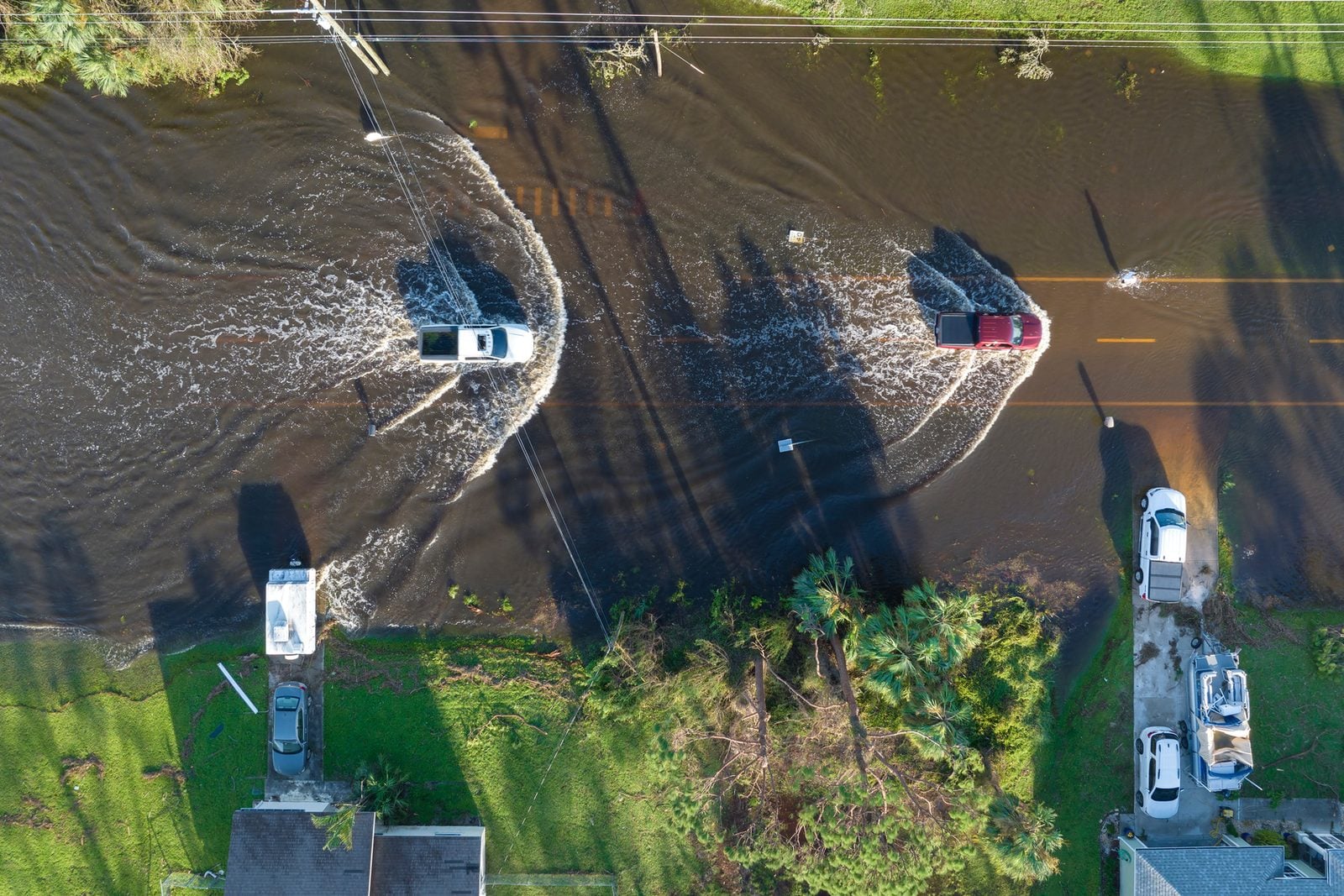
- NWS defines the monsoon as June 15 through September 30, with most storm activity in July and August.
- NWS says a Dust Storm Warning often comes with wind gusts of 40 to 60 mph, enough to damage roofs, signs and rooftop units.
- EPA says water-damaged areas and items should be dried within 24-48 hours to prevent mold growth.
- DIFI advises taking pictures of the damage before any water mitigation or restoration contractor shows up.
- DIFI advises calling your insurance company or adjuster before calling a contractor.
What to do first
- Keep staff and customers away from downed power lines, sagging ceilings and standing water near outlets or equipment.
- Shut off power to wet areas at the breaker only if you can reach the panel without standing in water.
- Stop more rain from getting in: cover roof openings and broken windows with tarps or boards once the storm has passed and it is safe.
- Photograph and video every wet room, damaged roof area, ruined stock and broken item before anything is moved.
- Call your insurance company or adjuster, then call (623) 253-9281 to be connected with a local provider for water removal and drying.
What does commercial storm damage restoration in Phoenix include?
Commercial storm damage restoration in Phoenix covers everything needed to get a business building dry, clean and back in use after wind, dust and monsoon rain. That usually means water removal, drying, debris cleanup and a plan to rebuild what cannot be saved.
- Water removal: pulling standing water off floors, carpet and low areas.
- Drying: air movers and dehumidifiers to dry walls, floors and ceilings. The structural drying page explains how this works.
- Debris and dust cleanup: removing mud, blown-in dust and wet materials.
- Rebuild planning: a written scope for drywall, ceiling tile, flooring and finishes that have to be replaced.
Is storm damage different from flood damage for a business?
Yes. Storm damage usually means wind, hail or rain getting in from above or through openings, while flood damage means rising water coming in from outside at ground level. The difference matters for cleanup and for insurance.
Storm damage often starts at the roof, a broken window or a torn rooftop unit seal. Flood damage comes through doors, loading docks and low walls. FEMA says most homeowners insurance policies do not cover flood damage, and many business policies also treat flood separately, so check your own policy. If rising water came in, see the storm and flood cleanup page.
What kinds of storm damage do Phoenix businesses see most?
Phoenix businesses most often see roof leaks, wind damage to rooftop equipment and signs, blown-in dust, and water in ceilings after a monsoon storm. Many commercial buildings have flat roofs, which drain slowly and can hold water during a heavy burst of rain.
- Roof leaks: water through seams, flashing and drains packed with debris.
- Ceiling damage: wet or fallen ceiling tiles and stained drywall.
- Rooftop units: AC units shifted by wind, leaving open curbs and gaps.
- Windows and storefronts: cracked glass that lets rain and dust blow in.
For water coming through the top of the building, the roof and ceiling leak page has more detail.
Need help now? Call to be connected with a local provider in Phoenix who can check availability for your address.
Why does a business need to start drying so quickly?
A business needs to start drying quickly because EPA says water-damaged areas and items should be dried within 24-48 hours to prevent mold growth. Wet drywall, ceiling tile and carpet get harder to save the longer they stay wet.
Fast drying also helps you reopen sooner. EPA advises keeping indoor relative humidity below 60 percent, ideally between 30 and 50 percent. After a monsoon storm, the air outside can be much more humid than usual, so a building may not dry on its own even in Phoenix.
Should a property manager call the insurance company or a restoration company first?
Call the insurance company or adjuster first. DIFI advises calling your insurer before calling a contractor, and checking what is covered with the adjuster rather than taking a contractor's word for it.
Once the claim is started, you can call (623) 253-9281 to be connected with a local provider for water removal and drying. DIFI also suggests keeping a log of dates, times, technician names and equipment used, such as dehumidifiers, air movers and moisture detectors. Our insurance claim basics guide explains what to save.
What should a business owner document after storm damage?
A business owner should photograph and list all storm damage before cleanup begins, because DIFI advises taking pictures before any mitigation or restoration contractor shows up.
- Wide photos of each room, then close-ups of wet ceilings, walls and floors.
- Roof damage you can see safely from the ground or from a window.
- Damaged stock, furniture, computers and equipment, with model numbers.
- The date and time the storm hit and when you first saw water.
- Notes on any rooms or suites you had to close.
For multi-tenant buildings, keep a separate list for each suite so tenants and owners can sort out their own claims.
What happens during the visit?
During the visit, the provider inspects the building, explains your options in plain words, and gives you a written quote before any work starts.
- Inspection: they walk the wet areas, check ceilings, walls and floors, and take moisture readings to see how far the water spread.
- Options explained: they explain what can be dried in place and what may need to come out, using the same thinking as our dry and restore vs replace page.
- Written quote: you get the scope in writing before work begins, so you can share it with your adjuster and building owner.
DIFI notes it is your right to get more than one quote, and advises making sure any contractor doing the work is licensed in Arizona.
Can a business stay open during storm damage cleanup?
Sometimes. Many Phoenix businesses can keep dry parts of the building open while wet areas are closed off for drying. It depends on where the water went, whether power and restrooms are safe to use, and what your local codes and lease allow.
Ask the provider to explain which areas need to be closed and why. Drying equipment can be loud and needs power, so plan around your busy hours. If a ceiling is sagging or wiring got wet, keep that area closed until it has been checked.
Storm damage across Phoenix, from Deer Valley to Laveen
Phoenix is dry most of the year, so storm damage often catches businesses off guard. Phoenix Sky Harbor averages 7.22 inches of rain a year (1991-2020), and NWS says Phoenix averages 2.43 inches during the monsoon. A single storm can bring a big share of that. In late September 2025, Sky Harbor got 1.64 inches in one day, its highest one-day total since October 13, 2018, and NWS reported numerous water rescues of vehicles stuck in floodwaters.
Wind and dust come first in many storms. On August 25, 2025, NWS Phoenix reported a massive dust storm that moved from the Tucson area up through Phoenix, with near-zero visibility in numerous areas. Dust like that packs roof drains right before the rain arrives.
- Deer Valley: north Phoenix offices and warehouses, where Phoenix/Deer Valley Airport averages 8.90 inches of rain a year.
- Desert Ridge: retail and office buildings with large flat roofs and rooftop units.
- Laveen and Maryvale: strip centers and small shops with storefront glass and older roofs.
To be connected with a local provider for commercial storm damage, call (623) 253-9281. See all Phoenix service areas.
Related pages
Questions people ask
Who do I call for commercial storm damage restoration in Phoenix?
Call (623) 253-9281 to be connected with a local provider in Phoenix. Call your insurance company or adjuster first, as DIFI advises, and take photos before cleanup starts.
A monsoon storm tore part of the roof off my building. What do I do first?
Keep everyone out of the area under the damaged roof in your Phoenix building. Once the storm passes and it is safe, cover the opening with a tarp, take photos, and call your insurer.
Is it safe to go into my shop after a storm if the ceiling is dripping?
Stay out of any room where a Phoenix shop ceiling is sagging or water is near outlets or equipment. Shut off power at the breaker only if you can reach it without standing in water.
How long can wet ceiling tiles stay up before they need to come down?
Not long. EPA says to dry water-damaged areas within 24-48 hours to prevent mold growth, and soaked ceiling tiles in Phoenix buildings often sag or stain and are usually replaced rather than dried.
Can a dust storm cause damage inside my business?
Yes. A Phoenix dust storm can push dust through gaps, broken glass and rooftop units. NWS says Dust Storm Warnings often come with wind gusts of 40 to 60 mph.
Why is my commercial building wet inside if the storm only lasted 20 minutes?
Short Phoenix monsoon storms can drop a lot of rain fast. Flat roof drains clogged with dust can back up, and water then finds seams and flashing gaps.
Does business insurance cover storm damage in Arizona?
It depends on your policy. Sudden damage is often treated differently from long-term wear, so check your Arizona policy and confirm coverage with your adjuster, not a contractor.
Is storm water that came through the roof the same as floodwater?
Not usually. Rain that comes through a Phoenix roof is often cleaner than floodwater that ran across streets and parking lots, which can carry dirt and debris.
My tenants' suites got wet in the storm. Who handles cleanup in a multi-tenant building?
It depends on your lease. Phoenix property managers usually handle the building, roof and common areas, while tenants handle their own stock and equipment. Check each lease and document every suite.
What should I write down for my insurance adjuster after a commercial storm?
Write down the date and time of the Phoenix storm, when you found the water, and every room affected. DIFI suggests a log of dates, technician names and equipment used during drying.
Can I throw out ruined inventory before the adjuster sees it?
Ask your adjuster before you throw anything out. Photograph each damaged item first, list model numbers and amounts, and keep samples if your Phoenix adjuster asks for them.
Can mold grow in an office building after a monsoon leak?
Yes. Water trapped above ceiling tiles or behind walls in a Phoenix office does not dry just because the outdoor air is dry. ADHS says to remove the moisture source first, because mold returns if an area gets wet again.
Do I need to fix the roof before the inside of my building is dried?
Not always. In Phoenix, the inside drying often starts first while the roof opening is tarped, then the roof is repaired once it is dry and safe to walk on.
How do I check that a storm damage contractor is licensed in Arizona?
Use the Arizona Registrar of Contractors online contractor search. Arizona law makes it unlawful to act as a contractor without a license in good standing unless the person is exempt.
Someone showed up at my business after the storm offering cleanup. Should I hire them?
Be careful. DIFI warns against high-pressure sales and people going door to door offering services you did not request. Check the license and get more than one quote.
Should I get more than one quote for commercial storm damage restoration?
You can. DIFI notes it is your right to get more than one quote, and a written scope from each Phoenix provider makes them easier to compare.
How do I keep my Phoenix building from getting storm damage next monsoon season?
Clear roof drains and scuppers before June, check seams and flashing, and make sure rooftop units are secured. NWS defines the monsoon as June 15 through September 30.
Do commercial storm damage providers serve Desert Ridge and Laveen?
Yes. You can call (623) 253-9281 to be connected with a local provider for businesses in Desert Ridge, Laveen, Deer Valley, Maryvale and the rest of Phoenix.
Talk to someone about your water damage problem
Call to be connected with a local provider who can check availability for your address and explain the next step.