Flat Roof Leak Repair in Phoenix: Patch, Recoat or Replace?
Flat roof leak repair in Phoenix comes down to two decisions: how to fix the roof itself (patch, recoat or replace) and how to handle the water that already got inside. The inside damage needs drying either way. Call to be connected with a local provider.
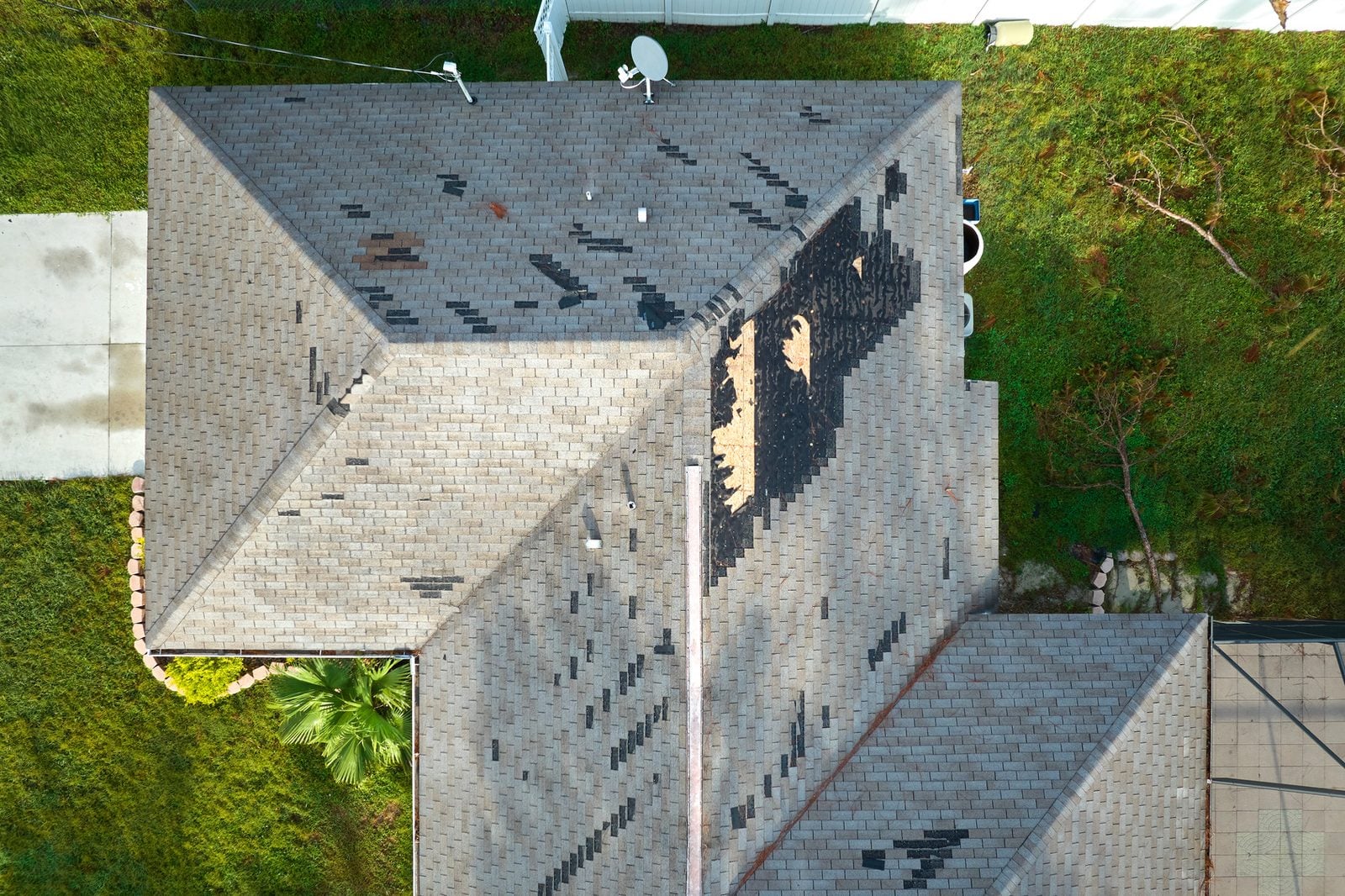
- A flat roof leak is usually two problems: the opening on the roof and the wet ceiling, insulation and framing below it.
- A patch fits one small, clear failure point; a recoat fits a sound roof with worn coating; a replacement fits a roof with widespread damage or wet layers.
- EPA says water-damaged areas and items should be dried within 24-48 hours to prevent mold growth.
- DIFI advises taking pictures of the damage before any water mitigation, plumbers or restoration contractors show up.
- Arizona law makes it unlawful to act as a contractor without a license in good standing unless the person is exempt.
What are my options for flat roof leak repair in Phoenix?
Flat roof leak repair in Phoenix usually means one of three choices: patch the failed spot, recoat the whole roof surface, or replace the roof. Inside the house, the wet ceiling and insulation need their own plan no matter which roof option you pick.
- Patch: seals one seam, crack, blister or flashing gap.
- Recoat: adds a new protective coating over a roof that is still solid underneath.
- Replace: removes worn or wet roofing layers and starts over.
When is a patch enough for a leaking flat roof?
A patch is usually enough when the leak traces back to one small, clear failure point and the rest of the roof is in good shape. Common examples are a split seam, a cracked spot of coating, a loose flashing edge or a gap around a vent pipe.
A patch is a weaker choice if the roof has many cracks, soft spots, or water ponding in several places. In that case, a patch often moves the leak to the next weak spot.
When does recoating a flat roof make more sense than patching?
Recoating makes more sense when the roof is still dry and solid underneath but its top coating is worn, chalky or cracked across large areas. A recoat renews the surface layer that blocks water and reflects sun.
Recoating only works on a sound roof. If the layers below are wet, a new coating can trap moisture inside. That is why a moisture check of the roof itself matters before you choose.
Need help now? Call to be connected with a local provider in Phoenix who can check availability for your address.
When should a flat roof be replaced instead of repaired?
Replacement is usually the better fit when the roof has widespread cracking, soft or spongy areas, water trapped between layers, or repeat leaks in different spots. At that point, patches and coatings tend to cover the problem instead of solving it.
Signs that point toward replacement include stains in several rooms, sagging spots where water collects, and a roof surface that feels soft in dry weather. Ask the roofer to explain in writing what they found.
Why do flat roofs in Phoenix leak in the first place?
Flat roofs in Phoenix usually leak because intense sun and heat wear down the coating and seams, and then heavy storm rain finds the weak spots. Water on a flat roof also drains slowly, so it has more time to work into a crack.
- Clogged scuppers and drains: dust and debris block the outlets and water ponds.
- Parapet walls: cracks in the cap or stucco let water run behind the roofing.
- Rooftop units: AC and evaporative cooler stands, curbs and lines create seams that can open.
NWS warns dust storms can bring wind gusts of 40 to 60 mph, which often packs roof drains with debris before the rain arrives.
Should I call a roofer or a water damage provider first?
If water has already come inside, the drying usually needs to start first, because EPA says water-damaged areas should be dried within 24-48 hours to prevent mold growth. The roof opening can be covered or fixed once the weather clears and the roof is safe to walk on.
Before either call, DIFI advises calling your insurance company or adjuster before calling a contractor, and checking coverage with the adjuster rather than taking a contractor's word for it. Then call to be connected with a local provider for the water removal and drying side of the job. For the seasonal side of this problem, see the monsoon roof leak guide.
What happens to the ceiling and insulation under a flat roof leak?
Under a flat roof, leak water often spreads across the ceiling and soaks the insulation before you see a stain, so the wet area is usually larger than it looks.
A provider will check moisture levels in the drywall, insulation and framing. Some ceilings can be dried in place. Others need wet insulation or drywall removed. The dry and restore vs replace page explains how that choice is usually made. EPA advises keeping indoor relative humidity below 60 percent, ideally between 30 and 50 percent, while things dry.
What happens during the visit?
During the visit, the provider inspects the wet areas, explains your options in plain words, and gives you a written quote before any work starts.
- Inspection: they look at the ceiling, walls, floors and insulation and take moisture readings to find where the water went.
- Options explained: they explain what can be dried in place and what may need to come out.
- Written quote: you get the scope in writing before work begins, so you can share it with your adjuster.
DIFI notes that it is your right to get more than one quote. DIFI also suggests keeping a log of dates, times, technician names and equipment used, such as dehumidifiers, air movers and moisture detectors.
Flat roof leaks around Phoenix, from Deer Valley to Laveen
Phoenix gets little rain, so a flat roof can hide a problem for months. Phoenix Sky Harbor averages 7.22 inches of rain a year (1991-2020), while Phoenix/Deer Valley Airport in north Phoenix averages 8.90 inches. NWS says Phoenix averages 2.43 inches during the monsoon. In late September 2025, Sky Harbor got 1.64 inches in a single day, its highest one-day total since October 13, 2018.
Heat is the other half of the story. Phoenix averages 111 days a year at 100°F or higher (1991-2020 normals), and recorded 70 days at 110°F or higher in 2024, the most on record. That much sun is hard on roof coatings and seams.
- Deer Valley and Moon Valley: north Phoenix, where average rainfall runs higher than at Sky Harbor.
- Maryvale and Laveen: check flat sections, patio covers and rooftop unit curbs after storms.
- Arcadia and Ahwatukee: watch for stains near additions where a flat section meets a sloped roof.
To be connected with a local provider for flat roof leak water damage, call (623) 253-9281. See all Phoenix service areas.
Related pages
Questions people ask
Is flat roof leak repair in Phoenix usually a patch or a full replacement?
Most flat roof leaks start with one failure point, so a patch is often the first fix. If the roof has widespread cracking, soft spots or wet layers, a recoat or replacement may fit better.
How do I know if my flat roof can be recoated instead of replaced?
A flat roof can usually be recoated if the layers underneath are dry and solid. If moisture is trapped inside the roof, a new coating can seal it in, so ask for a moisture check first.
Why does my flat roof only leak when it rains hard?
Hard rain fills the roof faster than the drains can empty it, so water rises to seams and cracks that stay dry in light rain.
My evaporative cooler sits on my flat roof. Can it cause a leak?
It can. The stand, curb and water lines create seams that can open over time. University of Arizona Extension recommends inspecting and maintaining evaporative coolers monthly.
Should I get the water dried out before the flat roof is fixed?
Usually, yes, if water is already inside. EPA says to dry water-damaged areas within 24-48 hours to prevent mold growth, and the roof can be fixed once it is dry and safe.
Why is my ceiling stain far away from where the roof is leaking?
Water often runs along roof decking, framing or insulation before it drips through. On a flat roof, the stain can show up several feet from the actual opening.
Does wet insulation under a flat roof have to come out?
Not always, but soaked insulation often dries poorly in a tight roof space. A provider can take moisture readings and explain whether drying in place makes sense.
Will homeowners insurance help with a flat roof leak in Arizona?
It depends on your policy. DIFI says damage from a sudden or accidental event may be covered, and that your policy spells out what is and is not covered. Confirm with your adjuster.
What should I photograph after a flat roof leak?
Photograph every wet ceiling, wall and floor, plus damaged belongings, before cleanup. DIFI advises taking pictures before any mitigation or restoration contractor shows up.
How can I check that a roofer is licensed in Arizona?
Use the Arizona Registrar of Contractors online contractor search. Arizona law makes it unlawful to act as a contractor without a license in good standing unless the person is exempt.
Why did two roofers give me different answers on patching versus replacing my flat roof?
Roofers often weigh the same damage differently. Ask each for a written scope that explains what they found, and remember DIFI notes it is your right to get more than one quote.
A crew knocked on my door offering to fix my flat roof after a storm. Should I hire them?
Be careful. DIFI warns homeowners to avoid high-pressure sales and people going door to door offering services that were not requested. Check the license and get more than one quote.
Can a flat roof leak lead to mold in a dry city like Phoenix?
Yes. Dry outdoor air does not reach water trapped above a ceiling. ADHS says to remove the moisture source first, because mold returns if an area gets wet again.
Who should I call for flat roof leak repair in Phoenix if water already got inside?
Call (623) 253-9281 to be connected with a local provider for the water damage side. Photograph the damage, call your insurer, and have a roofer handle the roof once the weather clears.
How can I keep my flat roof from leaking next monsoon season?
Clear scuppers and drains before summer, look for cracked coating and seams, and check around rooftop units. NWS defines the monsoon as June 15 through September 30.
Talk to someone about your water damage problem
Call to be connected with a local provider who can check availability for your address and explain the next step.