Roof Leak Repairs in Phoenix: Monsoon Guide
Roof leak repairs in Phoenix go smoothest in the right order: catch the water, photograph the damage, dry the wet ceiling and attic, and then have the roof and interior assessed. Monsoon and fall storms are when most hidden roof problems show up. Call to be connected with a local provider who handles roof leak water damage.
- The National Weather Service defines the Southwest monsoon as June 15 through September 30, with storms concentrated in July and August.
- NWS says Phoenix averages 2.43 inches of precipitation during the monsoon, so one strong storm can test a roof that sat dry for months.
- EPA says water-damaged areas and items should be dried within 24-48 hours to prevent mold growth.
- DIFI advises taking pictures of the damage before any water mitigation, plumbers or restoration contractors show up.
- Roof leak water damage is a two-part job: the roof opening and the wet ceiling, insulation and walls below it.
What to do first
- If a ceiling is sagging or bulging with water, keep everyone out of the room below it.
- Turn off power to light fixtures, fans or outlets near the leak at the breaker if you can do it from a dry spot.
- Put buckets, towels or plastic under the drip and move furniture, rugs and electronics out of the way.
- Take photos and video of the ceiling, walls, floor and any wet items before cleanup starts.
- Call your insurance company or adjuster, then call to be connected with a local provider for water removal and drying.
What do roof leak repairs in Phoenix actually include?
Roof leak repairs in Phoenix usually include two jobs: stopping water at the roof and fixing the water damage inside the home. The roof opening may be a cracked tile, a worn flat-roof seam, a loose flashing or a clogged scupper. The inside damage is the wet drywall, soaked insulation, stained paint and damp framing that the leak left behind.
Many people patch the roof and forget the ceiling. That can leave moisture trapped in the attic or wall cavity for weeks. This page focuses on the water damage side: catching the water, documenting it, drying it out and getting the inside checked. For the general service overview, see roof leak water damage cleanup.
Why do so many Phoenix roofs leak during monsoon season?
Phoenix roofs leak in monsoon season because long, hot, dry months wear down roofing materials, and then short, heavy storms with strong wind push water into every weak spot at once. A roof can seem fine all spring and fail in one storm.
Common monsoon leak points include:
- Flat and low-slope roofs: water ponds when scuppers or drains clog with dust and debris, then finds a seam.
- Tile roofs: wind-blown rain gets under cracked or slipped tiles and reaches worn underlayment.
- Flashing and penetrations: gaps around vents, skylights, chimneys and rooftop AC units.
- Rooftop AC units: clogged condensate lines can back up and leak even without rain.
NWS warns dust storms can bring wind gusts of 40 to 60 mph, which often fills roof drains with debris right before the rain.
Do roof leaks still happen in Phoenix after the monsoon ends?
Yes. The NWS monsoon season officially ends September 30, but fall storms can still bring heavy rain to Phoenix and expose roof damage that started in summer. In late September 2025, Phoenix Sky Harbor received 1.64 inches of rain in one day. Storms in October 2025 also caused flooding across the metro.
Fall is a good time to check ceilings and the attic for leaks that stayed hidden. The signs of hidden water damage guide explains what to look for next.
Need help now? Call to be connected with a local provider in Phoenix who can check availability for your address.
What should I do first when my roof starts leaking in a storm?
First, keep people safe and catch the water: stay out from under a sagging ceiling, shut off power to wet fixtures if you can do it safely, and put containers under the drip. Do not climb on the roof during a storm or while it is wet. Roof work can wait until the weather clears.
Next, document everything. Take wide photos of each room and close-ups of stains, drips and wet items. Then call your insurance company or adjuster. DIFI advises calling your insurer before calling a contractor and checking coverage with the adjuster, not the contractor. After that, call to be connected with a local provider who can start water removal and drying.
How fast does a roof leak need to be dried out?
EPA says water-damaged areas and items should be dried within 24-48 hours to prevent mold growth, so a roof leak should be dried out as soon as the water stops. Dry desert air does not reach water trapped above a ceiling.
Drying a roof leak often means opening small areas of drywall, pulling out wet insulation and running air movers and dehumidifiers until moisture readings return to normal. EPA also advises keeping indoor relative humidity below 60 percent, ideally between 30 and 50 percent. After a monsoon storm, outdoor air can be humid, so drying with windows closed and dehumidifiers running is often more even. Learn more in structural drying.
Should I call a roofer or a water damage provider for roof leak repairs?
Most roof leaks need both, and the water damage side usually comes first because wet materials start to break down quickly. A water damage provider removes water, dries the home and checks hidden moisture. A roofer finds and fixes the opening in the roof.
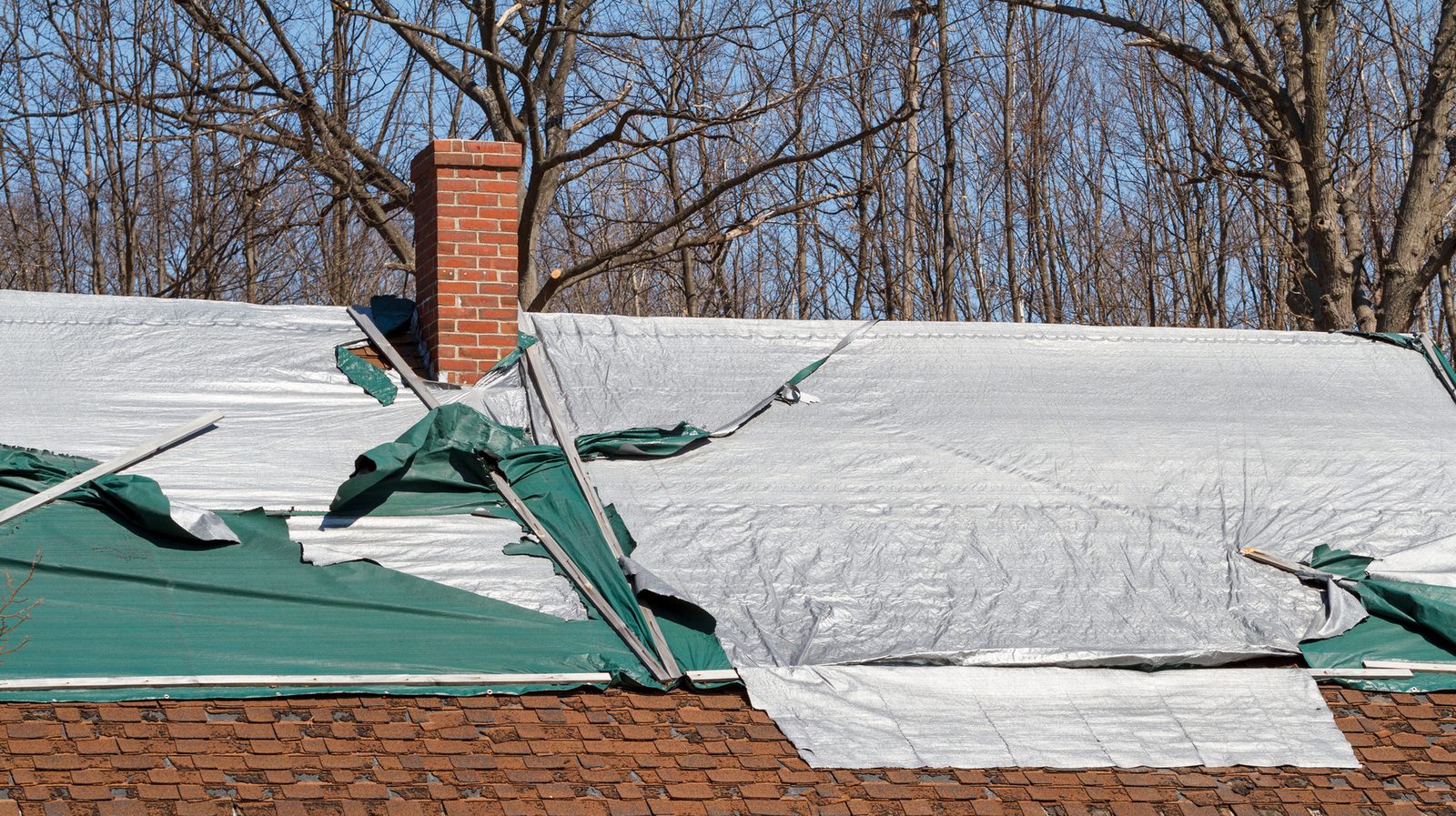
If rain is still coming in, a temporary cover such as a tarp may be used until the roof can be fixed. Ask each provider to put what they found in writing, with photos. That record helps you and your adjuster see how the roof problem and the interior damage connect.
What happens during the visit?
The visit starts with an inspection of the leak area, then the provider explains your options and gives you a written quote before any work begins. Nothing should start until you understand the plan.
- Inspection: where the water entered, which rooms and materials got wet, moisture readings in ceilings, walls and floors, and a look in the attic if it is safe to reach.
- Options explained: what can be dried in place, what may need removal, and whether roof work or a temporary cover is needed first.
- Written quote: the scope of drying, removal and repair in writing before work starts.
- Records: photos and readings you can share with your insurer.
DIFI notes it is your right to get more than one quote, and suggests keeping a log of dates, times, technician names and equipment used during water mitigation.
Which Phoenix homes are most likely to get roof leak damage?
Any Phoenix home can leak, but flat roofs, older tile roofs and homes with rooftop AC units tend to have more leak points. Flat roofs depend on clear drains and good seams. Tile roofs depend on the underlayment beneath the tiles, which can wear out even when the tiles look fine from the street.
Second-story rooms, vaulted ceilings and rooms under skylights often show stains first.
Monsoon roof leaks across Phoenix, from Deer Valley to Ahwatukee
Phoenix is one of the driest big cities in the country, which is why roof leaks surprise so many people. Phoenix Sky Harbor averages 7.22 inches of rain a year (1991-2020), and Phoenix/Deer Valley Airport in north Phoenix averages 8.90 inches. NWS says Phoenix averages 2.43 inches during the monsoon, so a single storm can deliver a big share of that rain in under an hour of heavy downpour.
The heat matters too. Phoenix averages 111 days a year at 100°F or higher (1991-2020 normals), and NWS Phoenix reports that 2024 was the warmest year in Phoenix history. Long hot stretches are hard on roofing materials, sealants and flashing. In late September 2025, Sky Harbor got 1.64 inches of rain in one day, its highest one-day total since October 13, 2018.
- Deer Valley and Moon Valley: north Phoenix homes where rainfall averages run higher than at Sky Harbor.
- Arcadia and Ahwatukee: many tile roofs, patios and skylights to check after storms.
- Maryvale and Laveen: a mix of older and newer homes, many with flat or low-slope sections.
To be connected with a local provider for roof leak water damage in your part of Phoenix, call (623) 253-9281. See all Phoenix service areas.
Related pages
Questions people ask
Who do I call for roof leak repairs in Phoenix when water is coming through my ceiling?
Call (623) 253-9281 to be connected with a local provider who handles roof leak water damage in Phoenix. Take photos first and call your insurer, and plan to have a roofer fix the roof opening once the weather clears.
Why did my roof start leaking during a monsoon storm when it was fine all year?
Phoenix roofs often fail in monsoon storms because months of heat wear down materials, and then wind-driven rain hits every weak spot at once. Dust can also clog roof drains right before the rain arrives.
Is it okay to wait until the monsoon season is over to fix a roof leak?
No, waiting usually makes roof leak water damage in Phoenix worse. Each storm adds more water to the ceiling and attic, and EPA says wet areas should be dried within 24-48 hours to prevent mold growth.
My ceiling is bulging with water. What should I do?
Keep everyone out of the room below a bulging ceiling and turn off power to nearby fixtures at the breaker if you can do it safely. Then call to be connected with a local provider in Phoenix to remove the water and assess the ceiling.
Does wet attic insulation need to be replaced after a roof leak?
Often yes, because soaked insulation holds water against the ceiling and dries slowly. A provider can check how much got wet and explain what can stay and what should come out.
Can a rooftop AC unit cause a roof leak in Phoenix?
Yes. A clogged condensate line or worn seal around a rooftop AC unit can leak water into the ceiling even without rain. EPA advises keeping AC drip pans clean and drain lines flowing properly.
Will homeowners insurance pay for roof leak water damage in Arizona?
It depends on your policy. DIFI says water damage not caused by a flood may be covered if it results from a sudden or accidental event, and your policy spells out what is covered, so check with your adjuster.
Should I call my insurance company before or after calling a contractor for a roof leak?
Call your insurer first. DIFI advises calling your insurance company or adjuster before calling a contractor and verifying coverage with the adjuster rather than the contractor.
What should I write down after a roof leak for my records?
Write down when the leak started, which rooms were affected and what was damaged. DIFI also suggests a log of dates, times, technician names and equipment used during water mitigation.
Can mold grow after a roof leak in Phoenix even with the dry heat?
Yes, mold can grow inside a wet ceiling or wall in Phoenix because the dry outdoor air does not reach trapped moisture. EPA says drying within 24-48 hours is important to prevent mold growth.
How long does it take to dry out a ceiling after a roof leak?
It depends on how much water got in and which materials are wet. A provider in Phoenix uses moisture readings to decide when drying is done, so no fixed timeline applies to every home.
Do I have to replace the whole ceiling after a roof leak?
Not always. Small areas of drywall can sometimes be dried in place, while sagging or crumbling sections usually need to be cut out. The provider should explain the options before giving a written quote.
What if someone knocks on my door offering roof leak repairs after a storm?
Be careful. DIFI warns homeowners to avoid high-pressure sales and people going door to door offering services that were not requested, and says it is your right to get more than one quote.
How do I check that a contractor is licensed in Arizona before roof leak repairs?
You can look up a contractor's license in the Arizona Registrar of Contractors' online contractor search. DIFI advises making sure any contractor doing the work is licensed in Arizona.
I rent my home in Phoenix. Who handles a leaking roof?
Tell your landlord right away and take photos of the damage. DIFI advises renters to check with their landlord before any repair work begins.
How can I get my Phoenix roof ready before the next monsoon season?
Clear roof drains and scuppers, look for cracked or slipped tiles, check flashing around vents and AC units, and look in the attic for old stains. Fixing small problems before June 15 lowers the chance of a storm leak.
Talk to someone about your water damage problem
Call to be connected with a local provider who can check availability for your address and explain the next step.