Ceiling Water Damage Repair Cost in Phoenix
Ceiling water damage repair cost in Phoenix depends mostly on where the water came from, how far it spread above the drywall, how long it sat, and whether insulation, framing or mold are involved. Fixing the source and drying the space come first. Call (623) 253-9281 to be connected with a local provider.
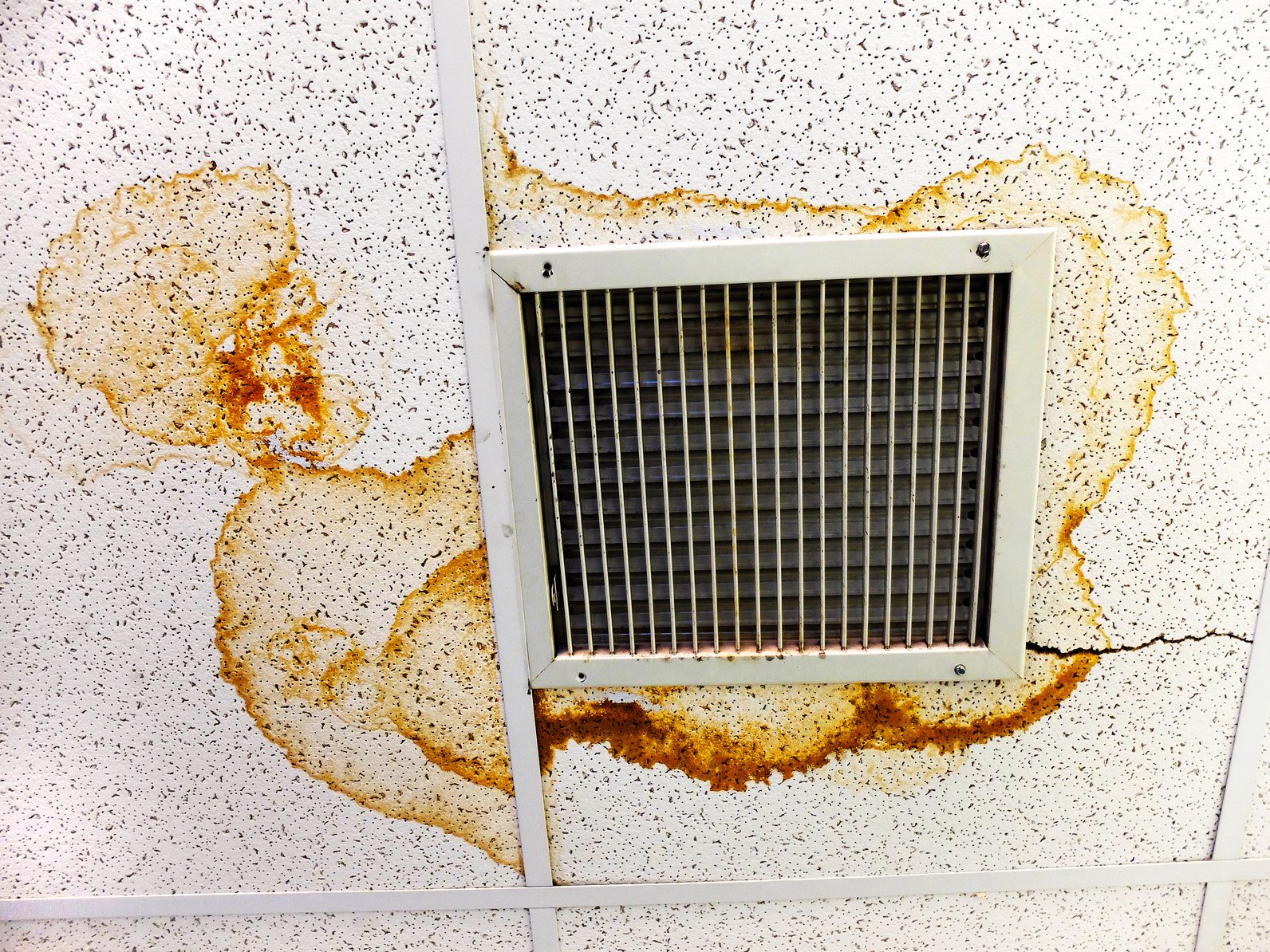
- The leak source has to be found and stopped before any ceiling repair, or the new drywall can get wet again.
- EPA says water-damaged areas and items should be dried within 24-48 hours to prevent mold growth, so fast drying often keeps the repair smaller.
- Arizona DIFI advises taking pictures of the damage before any water mitigation, plumbers or restoration contractors show up.
- Arizona law makes it unlawful to act as a contractor without a license in good standing unless an exemption applies.
- Many policies treat sudden damage differently from gradual leaks; check your policy and document everything.
What to do first
- If the ceiling is sagging or bulging, keep everyone out of the room and do not poke or stand under it.
- Turn off power to that area at the breaker if water is near light fixtures, fans or outlets, but only if you can reach the panel safely.
- Stop the water: shut the main valve for a plumbing leak, or turn off the AC unit if the leak is from its drain line.
- Put buckets and plastic sheeting under drips and move furniture and electronics out of the way.
- Take photos and video of the ceiling, the floor below and any wet items before cleanup starts.
What affects ceiling water damage repair cost in Phoenix?
Ceiling water damage repair cost in Phoenix is driven by five things: the source of the leak, the size of the wet area, what is above the drywall, how long it stayed wet, and how much finish work is needed to match the rest of the room. Two stains that look the same from below can be very different jobs once someone opens the ceiling.
Here are the main cost drivers in plain terms:
- Source repair: a roof leak, a plumbing line, a bathroom above, or an AC drain line each need a different trade.
- Spread: water travels along joists and insulation, so the wet area is often bigger than the stain.
- Drying: air movers and dehumidifiers may run for several days, and that time adds to the bill.
- Materials: soaked insulation and soft drywall usually come out; dry, solid drywall may stay.
- Finish: textured ceilings, popcorn texture, high or vaulted ceilings and paint matching all add labor.
Because no provider can see inside the ceiling from the floor, nobody can give a real number without an inspection.
Why does the source of the leak change the repair cost so much?
The source matters because it decides who has to come out, what kind of water it is, and whether the leak will come back. A clean supply line leak caught early is usually the smallest job. A slow roof leak that soaked insulation for weeks is usually a bigger one.
Common ceiling leak sources in Phoenix homes include:
- Roof leaks after a monsoon storm, often around flashing, vents or flat-roof drains. See roof and ceiling leak water damage.
- AC condensate lines and drip pans in attics. EPA advises keeping drip pans clean and drain lines unobstructed and flowing properly.
- Plumbing lines in the ceiling or a bathroom on the floor above. See burst pipe and leak cleanup.
- Water heaters or appliances installed in an attic or upstairs laundry room.
Water from a toilet or drain line counts as dirty water and needs more cleaning, which changes the scope.
Does the size and type of ceiling change the price?
Yes. A small patch in a flat, smooth ceiling is a simpler job than a large section of a textured, high or vaulted ceiling. Bigger openings mean more drywall, more taping and more paint, and tall ceilings may need scaffolding or extra ladders.
Texture is a hidden cost driver. Knockdown, orange peel and popcorn finishes take skill to blend so the repair does not show. Sometimes the whole ceiling plane gets repainted so the color matches. Ask the provider how they plan to match the texture and paint, and get that in the written quote.
Light fixtures, ceiling fans, smoke detectors and recessed lights in the wet area also add time, since they must be removed, checked and reinstalled.
Need help now? Call to be connected with a local provider in Phoenix who can check availability for your address.
How does drying time affect the cost of ceiling water damage repair?
Drying time affects cost because equipment rental, monitoring visits and moisture checks add up each day, and wet materials left too long often have to be removed. EPA says water-damaged areas should be dried within 24-48 hours to prevent mold growth, so acting quickly can keep the repair smaller.
Ceilings are hard to dry because water pools on top of the drywall and soaks into insulation where air does not move. A provider may cut small holes, pull wet insulation or use air movers aimed into the cavity. They will take moisture readings until the framing and drywall are dry. You can read more in how drying equipment works and on the structural drying page.
Do not paint over a stain or close up a ceiling until readings show it is dry. Trapped moisture is a common reason ceilings get repaired twice.
When does mold make a ceiling repair more expensive?
Mold adds cost when the ceiling stayed wet long enough for growth to start, because moldy materials need careful removal and the area needs cleaning before rebuild. The Arizona Department of Health Services says that if you can see or smell mold, you have a problem, and it does not recommend testing as the first step.
ADHS also says the moisture source must be removed first, because mold will return if the area gets wet again. EPA says that if the moldy area is less than about 10 square feet, homeowners can usually handle the cleanup themselves. Larger areas, or mold inside the ceiling cavity, are usually a job for a provider. See mold remediation after water damage for more.
Can I repair a water-damaged ceiling myself to save money?
You can handle a small, dry stain on solid drywall with a stain-blocking primer and paint, but a sagging, soft or still-wet ceiling should be checked by a professional first. Wet drywall is heavy and can fall without warning, and water near light fixtures is an electrical risk.
Arizona's handyman exemption only covers unlicensed work when the total job is under a small limit set in state law, the work is casual or minor, and no building permit is needed. Larger ceiling repairs, especially ones tied to roofing or plumbing, usually need a licensed contractor. DIY can also cost more later if hidden moisture is missed and mold or a second stain shows up.
Will homeowners insurance cover ceiling water damage repair?
It depends on your policy and the cause, and only your insurer or adjuster can say what is covered. Arizona's Department of Insurance and Financial Institutions (DIFI) says water damage not caused by a flood may be covered if it results from a sudden or accidental event, and that your policy spells out what is and is not covered.
DIFI advises calling your insurance company or adjuster before calling a contractor and verifying coverage with the adjuster, not the contractor. It also suggests keeping a log of dates, times, technician names and drying equipment used. Many policies treat sudden damage differently from gradual leaks, so a slow roof leak may be handled differently from a burst pipe. The insurance claim basics guide walks through the steps.
What happens during the visit?
The visit starts with an inspection, then an explanation of your options, then a written quote before any work begins. Nobody can promise a timeline until the ceiling has been checked.
- Inspection: the provider looks for the source, checks the attic or floor above when it is safe, and uses moisture meters on the ceiling, walls and floor below.
- Options explained: dry in place, remove and replace sections, or a mix. The dry and restore vs replace page covers how that choice is made.
- Written quote: you get the scope in writing so you can share it with your adjuster and compare.
- Records: ask for photos and moisture readings for your files.
DIFI notes it is your right to get more than one quote, and you can check any contractor in the Arizona Registrar of Contractors online contractor search.
Ceiling leaks in Phoenix homes, from Arcadia to Anthem
Phoenix is dry most of the year, so many ceiling leaks show up after the first big storm. National Weather Service offices define the monsoon as June 15 through September 30, and NWS says Phoenix averages 2.43 inches of rain during the monsoon. Phoenix Sky Harbor averages 7.22 inches a year, while Deer Valley Airport in north Phoenix averages 8.90 inches. On one day in late September 2025, Sky Harbor got 1.64 inches of rain, its highest one-day total since October 13, 2018. Short, heavy bursts like that can find weak spots in roofs that were baked all summer.
Heat plays a part too. Phoenix averages 111 days a year of 100°F or higher, so attic AC units run hard for months, and a clogged condensate line can drip onto the ceiling below. City of Phoenix customers should also know that the City requires a pressure regulator so water pressure does not exceed 80 psi, and says higher pressure can damage pipes and appliances.
- Arcadia and Moon Valley: older homes where roofs, attic ducts and plumbing may be original.
- Ahwatukee, Desert Ridge and Anthem: two-story homes where an upstairs bathroom or laundry can leak into the ceiling below.
- Maryvale and Laveen: single-story homes where roof and AC leaks are the usual ceiling culprits.
To be connected with a local provider in your part of Phoenix, call (623) 253-9281.
Related pages
Questions people ask
How much does ceiling water damage repair cost in Phoenix?
There is no single price, because the cost depends on the leak source, how far water spread, drying time, mold and texture matching. A local provider can give you a written quote after an inspection. Call (623) 253-9281 to be connected.
What is the biggest factor in the cost to fix a water-damaged ceiling?
Usually it is how far the water spread and how long it sat. A quick leak caught early may only need drying and a patch, while a slow leak can soak insulation and framing.
Why is my ceiling repair quote higher than I expected?
Quotes often include more than drywall: drying equipment, insulation removal, texture matching, painting the whole ceiling and fixing the leak source. Ask the provider to walk you through each line of the written quote.
Do I need to fix the roof before repairing the ceiling?
Yes. If the roof or pipe is still leaking, a new ceiling can get wet again. Stop the source first, dry the area, then rebuild.
Can I just paint over a water stain on my ceiling?
Only if the ceiling is fully dry, solid and the leak is fixed. Use a stain-blocking primer first. If the drywall is soft or sagging, have it checked.
Is a sagging ceiling from water damage dangerous?
It can be. Wet drywall is heavy and can fall without warning, so keep people out of the room and do not poke it. Call to be connected with a provider who can check it.
How long does a wet ceiling take to dry?
It depends on the materials and how wet they got. A provider uses moisture meters and keeps drying until readings show the drywall and framing are dry, so there is no fixed answer before the inspection.
Does water-damaged ceiling drywall always need to be replaced?
No. Drywall that was wet briefly with clean water and stays firm can sometimes be dried in place. Soft, crumbling or sagging drywall, or drywall touched by dirty water, is usually replaced.
Does wet insulation in the attic have to be removed?
Often yes. Soaked insulation holds water against the drywall and dries slowly, so it is commonly pulled out and replaced once the area is dry.
Will mold grow in my ceiling after a leak in Phoenix even though it's so dry here?
It can. EPA says wet areas should be dried within 24-48 hours to prevent mold, and the inside of a ceiling cavity stays damp much longer than the room air.
Does homeowners insurance pay for ceiling water damage repair in Arizona?
It depends on your policy and what caused the leak. Arizona DIFI says non-flood water damage may be covered if it is sudden or accidental, so call your insurer or adjuster before calling a contractor.
Is a slow roof leak covered the same as a burst pipe?
Often not. Many policies treat sudden damage differently from gradual leaks, so check your policy and document everything.
What should I photograph for an insurance claim on a ceiling leak?
Photograph the stain, any sagging, the floor and items below, and the source if you can see it safely. DIFI advises taking pictures before any mitigation or contractors show up.
Can my AC unit cause a water stain on the ceiling?
Yes. A clogged condensate drain line or overflowing drip pan in the attic is a common cause in Phoenix. EPA advises keeping drip pans clean and drain lines flowing.
Do I need a licensed contractor to repair ceiling water damage in Arizona?
For most jobs, yes. Arizona law requires a contractor's license in good standing unless an exemption applies, and the handyman exemption only covers small, minor jobs that need no permit.
How do I check a contractor's license in Arizona?
Use the Arizona Registrar of Contractors online contractor search and look up the company name or license number before you sign anything.
Should I get more than one quote for ceiling water damage repair?
Yes, you can. DIFI notes it is your right to get more than one quote, and comparing written scopes helps you see what each one includes.
Who do I call for ceiling water damage repair in Phoenix?
Call (623) 253-9281 to be connected with a local provider who handles ceiling leaks and water damage in Phoenix, including Arcadia, Ahwatukee, Deer Valley and Anthem.
What if someone knocks on my door offering to fix my ceiling after a storm?
Be careful. DIFI warns against high-pressure sales and door-to-door offers you did not ask for, so check the license and get a written quote first.
I rent my home. Who pays to fix a leaking ceiling?
Tell your landlord right away. DIFI advises renters to check with their landlord before any repair work begins.
Talk to someone about your water damage problem
Call to be connected with a local provider who can check availability for your address and explain the next step.