Does Homeowners Insurance Cover Water Damage in Phoenix?
Does homeowners insurance cover water damage? In Phoenix, it may when water comes from a sudden, accidental event like a burst pipe, but most policies do not cover flooding, and slow leaks are often treated differently. Check your policy and document everything. Call (623) 253-9281 to be connected with a local provider.
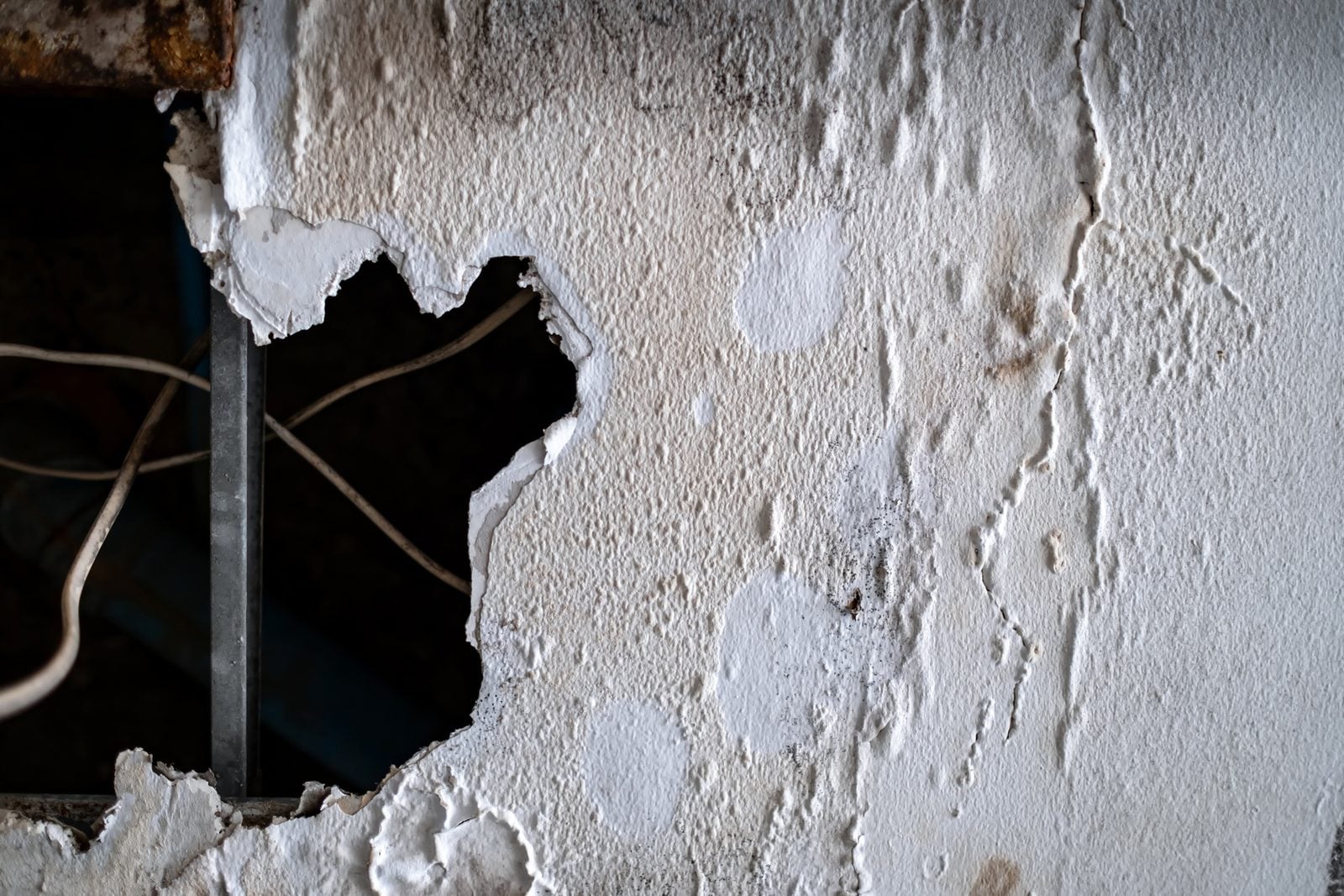
- Arizona DIFI says non-flood water damage may be covered if it results from a sudden or accidental event, and your policy spells out what is covered.
- FEMA says most homeowners insurance policies do not cover flood damage.
- Many policies treat sudden damage differently from gradual leaks; check your policy and document everything.
- DIFI advises photographing the damage before any mitigation crew, plumber or contractor arrives.
- Verify coverage with your insurer or adjuster, not the contractor.
Does homeowners insurance cover water damage in Phoenix?
Homeowners insurance in Phoenix may cover water damage from a sudden, accidental event inside the home, like a burst supply line, but it usually does not cover flooding, and many policies treat slow leaks differently. Your own policy is the only document that answers the question for your house.
Arizona's Department of Insurance and Financial Institutions (DIFI) says water damage and mold remediation not caused by a flood may be covered by homeowners or renters insurance if they result from a sudden or accidental event, and that your policy spells out what is and is not covered. Three questions decide most claims:
- Sudden or gradual: did the water show up all at once, or seep for weeks?
- Flood or not: did it come from outside across the ground, or from a pipe, appliance or roof opening?
- Your policy: exclusions, limits, add-ons and your deductible all change the answer.
Myth: "All water damage is covered." What does sudden vs gradual mean?
Not all water damage is treated the same. Many policies treat sudden damage differently from gradual leaks, so check your policy and document everything. The cause and timeline usually matter more than how much water there is.
- Sudden and accidental: a washer hose bursts, a water heater tank splits, or a pipe under the sink lets go. The event has a clear start.
- Gradual: a slow drip behind a toilet, a shower pan leaking into the subfloor for months, or a roof spot that grows each storm. Policies often call this wear and tear or lack of maintenance, and many limit or exclude it.
Hidden damage is a gray area, so report a stain, soft floor or musty smell right away. See signs of hidden water damage.
Myth: "My homeowners policy covers flooding." Is a flood different from a burst pipe?
Yes. Insurers treat a flood and a burst pipe as different events, and FEMA says most homeowners insurance policies do not cover flood damage. Flood coverage is usually a separate policy, such as one through the National Flood Insurance Program (NFIP).
In plain words, a flood is surface water from outside rising into the house, like storm runoff. A burst pipe is water from a system inside the home.
Plan ahead if you want flood coverage. FEMA says there is typically a 30-day waiting period from the date of purchase before an NFIP policy goes into effect, with some exceptions.
See storm and flood damage cleanup for outside water, and burst pipe and leak cleanup for plumbing breaks.
Need help now? Call to be connected with a local provider in Phoenix who can check availability for your address.
Is monsoon water damage covered by homeowners insurance?
Monsoon damage can land on either side of the line, so how the water got in matters. Rain pouring through a roof opening torn by wind is often looked at differently from runoff that flows across the yard and under the door.
An adjuster may ask:
- Did wind or hail damage the roof first, or was it already worn and leaking slowly?
- Did water come across the patio or driveway into the house or garage?
- Did a clogged flat-roof drain or scupper back up and overflow?
Photograph the roof area, ceiling and outside grading before anything is moved, and write down when the storm hit and when you found the water.
What about sewer backups, appliance leaks and AC drain lines?
Each can be treated differently, so read the parts of your policy that name them. Many policies handle sewer or drain backup as a separate add-on, often called an endorsement or rider.
- Sewer backup: water coming up through a floor drain, toilet or tub. It is dirty water that needs careful cleanup. See sewage backup cleanup.
- Appliances: a sudden hose or valve failure is a different event from a washer or refrigerator line that dripped for months. See appliance leak cleanup.
- AC condensate lines: EPA advises keeping air conditioning drip pans clean and drain lines unobstructed and flowing. A slow overflow over a season may be viewed as maintenance.
Myth: "The contractor will tell me what insurance covers." Who decides?
Your insurance company or adjuster decides what is covered, not a contractor. DIFI advises calling your insurance company or adjuster before calling a contractor, and verifying coverage with the adjuster rather than taking the contractor's word for it.
A provider can explain the damage, the drying plan and the written quote, but should not promise a claim will be paid. DIFI also advises:
- Make sure any contractor doing the work is licensed in Arizona. You can check in the Arizona Registrar of Contractors online contractor search.
- It is your right to get more than one quote.
- Avoid high-pressure sales and door-to-door offers you did not request.
- Renters should check with the landlord before any repair work begins.
The water damage insurance claim basics guide covers the claim steps.
How should I document water damage before I call my insurance company?
Document first, clean second. DIFI advises taking pictures of the damage before any water mitigation, plumbers or restoration contractors show up.
- Take wide photos of each room, then close-ups of stains, wet flooring and the source, such as a split hose.
- Keep the broken part if you can, and do not throw out damaged items until your insurer says it is okay.
- Write down when you found the water, what you did to stop it and who you called.
- During drying, keep a log of times, dates, technician names and equipment used, such as dehumidifiers, air movers and moisture detectors, as DIFI suggests.
Do not wait too long to start drying. EPA says to dry water-damaged areas and items within 24-48 hours to prevent mold growth.
What happens during the visit?
The visit starts with an inspection, then an explanation of your options, then a written quote before any work begins. No one can promise a timeline until the damage has been checked.
- Inspection: the provider finds the source and checks walls, floors and ceilings with moisture meters.
- Options explained: extraction, drying in place, removing wet materials, or a mix. See dry and restore vs replace.
- Written quote: the scope in writing before work starts, which you can share with your adjuster.
Call (623) 253-9281 to be connected with a local provider. Coverage questions go to your insurer.
Water damage and insurance questions in Phoenix, from Laveen to Anthem
Phoenix is dry most of the year, so water damage often catches people off guard. National Weather Service offices define the monsoon as June 15 through September 30, and NWS says Phoenix averages 2.43 inches of precipitation during the monsoon and that flash floods are common in Arizona. On one day in late September 2025, Phoenix Sky Harbor received 1.64 inches of rain, its highest one-day total since October 13, 2018.
Plumbing is the other big source. The City of Phoenix says issues from the street to the water meter are the City's responsibility and issues after the meter are the homeowner's. It requires a pressure regulator so pressure does not exceed 80 psi, says higher pressure can damage pipes and appliances, and notes hard water can cause scaling in pipes and water heaters.
- Laveen and Maryvale: single-story homes where storm runoff and plumbing leaks are both common questions.
- Arcadia and Moon Valley: older homes where original plumbing and roofs raise the sudden vs gradual question.
- Ahwatukee and Anthem: two-story homes where an upstairs laundry or bathroom can leak into the ceiling below.
To be connected with a local provider in your part of Phoenix, call (623) 253-9281.
Related pages
Questions people ask
Does homeowners insurance cover water damage from a burst pipe in Phoenix?
It may, because a burst pipe is usually a sudden, accidental event, but only your policy and adjuster can confirm it. Take photos before cleanup and call your insurer.
Why would my insurance company deny a water damage claim for a slow leak?
Many policies treat slow, long-term leaks as wear and tear or maintenance rather than a sudden event. Ask your adjuster which policy section applies.
Is flooding from a monsoon storm covered by regular homeowners insurance?
Usually not if it is true flooding, because FEMA says most homeowners policies do not cover flood damage. Rain that came in through storm damage to the roof may be looked at differently.
What is the difference between flood damage and water damage for insurance?
In general, flood damage is surface water from outside rising into the home, while water damage often means water from a pipe, appliance or roof opening. They are usually handled under different policies or sections.
If I buy flood insurance today, will it cover a storm next week?
Probably not. FEMA says NFIP policies typically have a 30-day waiting period from purchase, with some exceptions.
Does homeowners insurance pay for sewage backup cleanup?
It depends on whether your policy includes sewer or drain backup coverage, which is often a separate add-on. Look for an endorsement with that name.
My water heater leaked all over the garage. Will insurance pay for that?
A sudden tank failure is often treated differently from a heater that dripped for months. Photograph everything and call your insurer before work starts.
Can my AC drain line leak be covered by homeowners insurance?
It might be if the failure was sudden, but a slow overflow may be treated as maintenance. Check your policy and keep the drain line clear.
Does homeowners insurance cover mold after water damage in Arizona?
Sometimes, depending on the cause and your policy. DIFI says non-flood mold remediation may be covered if it results from a sudden or accidental event, and some policies limit mold.
Should I call my insurance company or a water damage company first?
Arizona DIFI advises calling your insurance company or adjuster before a contractor. Stop the water and take photos first.
Can a water damage restoration company tell me if my claim will be approved?
No. Only your insurer or adjuster decides coverage, and DIFI advises verifying it with the adjuster.
What pictures should I take for a water damage claim before anything is cleaned up?
Take wide shots of each room, close-ups of wet materials and a photo of the source. DIFI advises taking them before mitigation crews or plumbers arrive.
Will my claim be denied if I wait a few weeks to report water damage?
Waiting can make a claim harder, because damage spreads and it is tougher to show the event was sudden. Report it as soon as you find it.
Should I throw away wet carpet and furniture before the adjuster comes?
Not before you photograph it and ask your insurer. Move wet items somewhere safe and keep them until your insurer says it is okay.
A water main broke on my street and water got into my house. Who is responsible in Phoenix?
The City of Phoenix says the street-to-meter side is the City's responsibility. Document the damage and contact both the City and your insurer.
Does renters insurance cover water damage to my things in a Phoenix apartment?
It may cover belongings if the water came from a sudden or accidental event, but your policy decides it. DIFI advises renters to check with the landlord before repairs.
How do I check if a water damage contractor is licensed in Arizona?
Use the Arizona Registrar of Contractors online contractor search. You also have the right to more than one quote.
Who do I call in Phoenix to get water damage looked at while I sort out insurance?
Call (623) 253-9281 to be connected with a local provider. You will get a written quote to share with your adjuster.
Talk to someone about your water damage problem
Call to be connected with a local provider who can check availability for your address and explain the next step.