Commercial Flood Cleanup in Phoenix, AZ
Commercial flood cleanup in Phoenix starts with safety, photos and a call to your insurer, then water removal and drying before mold can start. This guide is for warehouse, retail and office owners and property managers dealing with monsoon runoff or storm flooding. Call to be connected with a local provider.
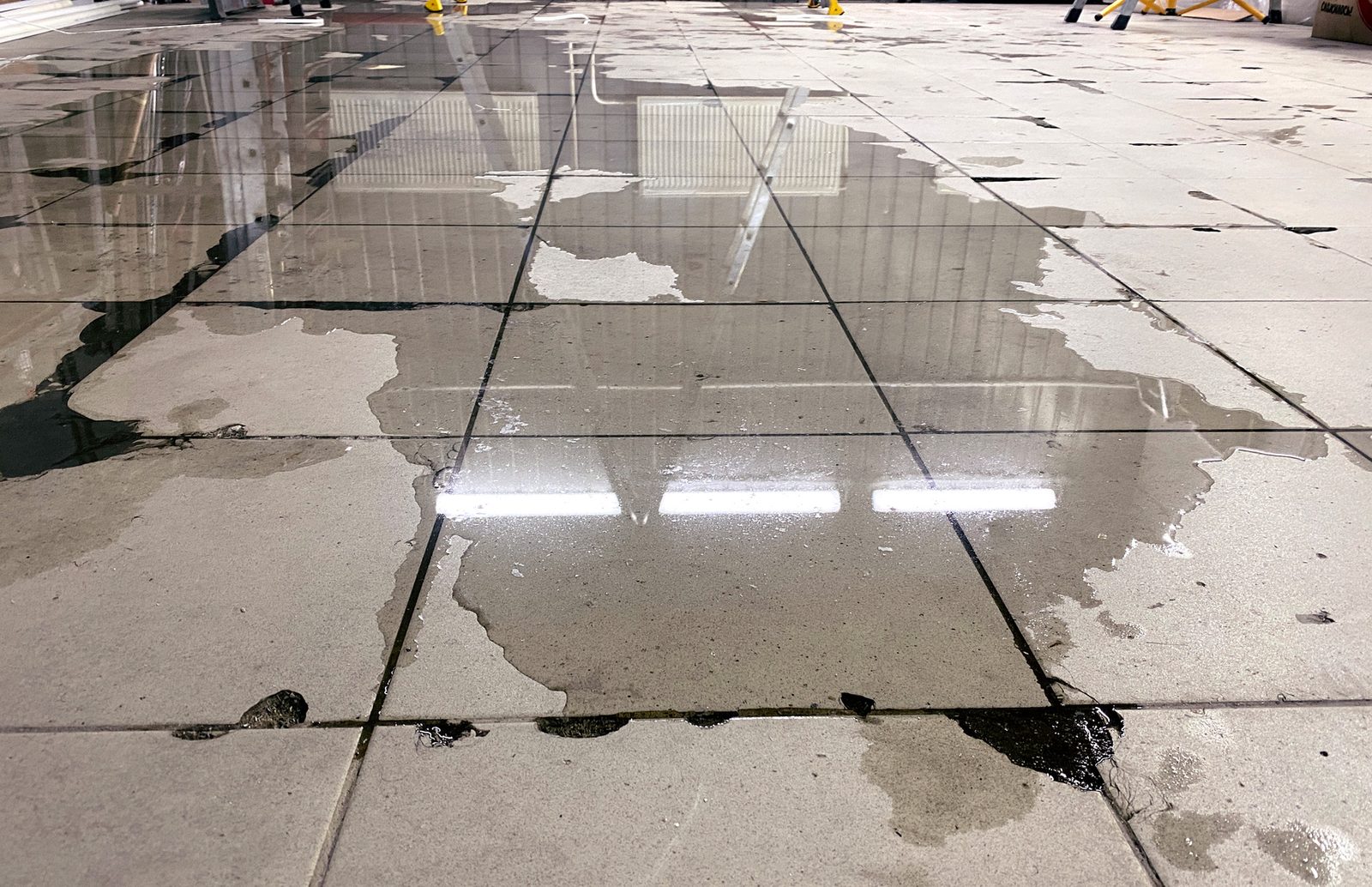
- The National Weather Service defines the Southwest monsoon as June 15 through September 30, but fall storms can still flood Phoenix streets.
- On one day in late September 2025, Phoenix Sky Harbor got 1.64 inches of rain, its highest one-day total since October 13, 2018.
- EPA says water-damaged areas and items should be dried within 24-48 hours to prevent mold growth.
- FEMA says most homeowners policies do not cover flood damage, so business owners should confirm what their own commercial policy says.
- Arizona law makes it unlawful to act as a contractor without a license in good standing unless an exemption applies.
What to do first
- Keep people out of standing water and away from wet electrical panels, outlets and equipment until power is safely off.
- Do not drive through flooded parking lots or roads. About 1 to 2 feet of water can float most vehicles.
- Take photos and video of every wet area, wall, rack and product before any cleanup starts.
- Call your insurance agent or adjuster and write down the claim number and who you spoke with.
- Move dry inventory, files and electronics off the floor and away from the water if it is safe to do so.
What does commercial flood cleanup in Phoenix involve?
Commercial flood cleanup in Phoenix usually means removing standing water, pulling out wet materials that cannot be dried, drying the building with air movers and dehumidifiers, and cleaning surfaces that floodwater touched. For a business, it also means protecting inventory, records and equipment, and keeping a clear paper trail for the insurance claim.
The work often overlaps with emergency water extraction and structural drying. If you want the general overview of commercial work, see the commercial water damage restoration page. This page focuses on storm and runoff flooding in warehouses, shops, offices and small multi-tenant buildings.
Why do Phoenix warehouses and storefronts flood during monsoon storms?
Phoenix businesses flood in storms because the desert ground and paved lots shed water fast, and short, heavy bursts of rain can overwhelm drains, roof scuppers and loading-dock low points. The National Weather Service says flash floods are common in Arizona, and a single storm can drop a large share of a month's rain.
Common entry points include:
- Loading docks and truck wells that sit below the parking lot grade.
- Flat roofs with clogged scuppers or drains that pond and then leak through the ceiling.
- Front doors of strip-center storefronts where water sheets across the sidewalk.
- Floor drains and sewer lines that back up when the system is overloaded.
If water came up through a drain, read the sewage backup cleanup page, because that water needs different handling.
Is floodwater in a commercial building dangerous to clean up yourself?
Floodwater that flowed in from outside or backed up from a drain can carry dirt, oil, chemicals and sewage, so it is not the same as a clean pipe leak. Staff should avoid wading in it, keep away from wet electrical gear, and wear gloves and boots if they must move items.
Small amounts of clean water from a broken supply line are a different case. Even then, wet drywall, carpet tiles and insulation hide moisture that a mop will not reach. A provider can check for hidden water with moisture meters and explain which materials can stay and which should go.
Need help now? Call to be connected with a local provider in Phoenix who can check availability for your address.
How fast does a flooded business need to be dried?
EPA says water-damaged areas and items should be dried within 24-48 hours to prevent mold growth, so speed matters more than perfection on day one. In a commercial space, that often means extracting water first, then running drying equipment day and night until readings show the materials are dry.
EPA also advises keeping indoor relative humidity below 60 percent, ideally between 30 and 50 percent. During and after a monsoon storm, the outdoor air in Phoenix can be humid, so closed buildings with dehumidifiers often dry more evenly than buildings with doors propped open. For more on the equipment, see how drying equipment works.
What happens during the visit?
The visit starts with an inspection: the provider walks the space, finds where the water came from, measures moisture in floors and walls, and notes what can be dried and what may need removal. Then they explain your options and give you a written quote before any work begins.
- Inspection: source of water, affected rooms, racking, ceilings and wall cavities, and moisture readings.
- Options explained: dry in place, remove and replace certain materials, or a mix. The dry and restore vs replace page covers how that choice is usually made.
- Written quote: you get the scope in writing first, so you can share it with your adjuster and decide.
- Records: ask for moisture readings and photos you can keep for your files.
Nobody can promise a timeline before the inspection, because drying speed depends on the materials and how long they were wet.
How should property managers document flood damage for insurance?
Document everything before cleanup starts: photos, video, a list of damaged items, and notes on when the water arrived and where it entered. Arizona's Department of Insurance and Financial Institutions (DIFI) advises taking pictures of the damage before any water mitigation, plumbers or restoration contractors show up.
DIFI also suggests keeping a log of times, dates, technician names and equipment used, such as dehumidifiers, air movers and moisture detectors. Its guidance is written for households, but the same habits help commercial owners and managers. Useful records include:
- Inventory lists with quantities and photos of damaged stock.
- Tenant notices and the dates each tenant was told.
- Copies of every written quote and moisture report.
Many policies treat sudden damage differently from gradual leaks, and flood is often handled separately. Check your policy and document everything. The insurance claim basics guide has more.
Does commercial property insurance cover flood cleanup in Phoenix?
It depends on your policy, and only your insurer or adjuster can tell you what is covered. FEMA says most homeowners policies do not cover flood damage, and many business policies also separate flood from other water damage, so read the flood and water sections closely.
DIFI advises calling your insurance company or adjuster before calling a contractor, and verifying coverage with the adjuster instead of taking a contractor's word for it. If you are thinking about flood insurance for next season, FEMA says there is typically a 30-day waiting period before a National Flood Insurance Program policy goes into effect, with some exceptions.
How do I check that a flood cleanup company is properly licensed in Arizona?
Ask for the company's Arizona Registrar of Contractors (ROC) license and look it up in the ROC online contractor search before signing. Arizona law makes it unlawful to act as a contractor without a license in good standing unless an exemption applies.
The small-job exemption only covers casual or minor work below a small dollar limit set in state law that needs no building permit, so rebuilding walls, ceilings or storefronts after a flood usually falls outside it. DIFI also notes it is your right to get more than one quote, and warns against high-pressure sales and door-to-door offers you did not ask for.
Flood risk for businesses across Phoenix, from Deer Valley to Laveen
Phoenix is dry most of the year, which is why storm flooding catches businesses off guard. Phoenix Sky Harbor averages 7.22 inches of rain a year (1991-2020), while Phoenix/Deer Valley Airport in north Phoenix averages 8.90 inches. NWS says Phoenix averages 2.43 inches during the monsoon, so one strong storm can deliver a big share of that at once.
Recent storms show the pattern. On one day in late September 2025, Sky Harbor received 1.64 inches of rain, and NWS reported numerous water rescues of vehicles stuck in floodwaters. NWS Phoenix also reported that storms on October 12-13, 2025 brought several water rescues, street and highway closures and overflowing washes across the metro.
- Deer Valley and Desert Ridge: business parks and retail centers with large paved lots and flat roofs.
- Maryvale and Laveen: strip centers, small shops and multi-tenant buildings near busy streets.
- Arcadia and Ahwatukee: offices and storefronts mixed in with homes.
For City of Phoenix water customers, the City says problems from the street to the meter are the City's job, and problems after the meter belong to the property owner. If a broken line on your side of the meter caused the water, see burst pipe and leak cleanup. To be connected with a local provider in your part of Phoenix, call (623) 253-9281.
Related pages
Questions people ask
Who do I call for commercial flood cleanup in Phoenix after a monsoon storm?
Call (623) 253-9281 to be connected with a local provider who handles commercial flood cleanup in Phoenix. Before anyone arrives, take photos of the damage and call your insurance agent or adjuster.
What should I do first when my Phoenix warehouse floods?
Keep people out of the water, shut off power to wet areas only if it is safe, and photograph everything. Then call your insurer and arrange for water removal and drying as soon as you can.
How long does it take to dry out a flooded commercial building?
There is no fixed answer, because drying time depends on the materials, how deep the water was and how long it sat. A provider can give you a better idea after measuring moisture during the inspection.
Is monsoon floodwater considered contaminated?
Water that flowed in from outside or backed up from a drain can carry dirt, oil, chemicals and sewage, so treat it as contaminated. Clean water from a broken supply line is different, but it can turn dirty if it sits.
Do I need to remove drywall after a flood in my Phoenix office?
Often yes, if floodwater soaked it. The Arizona Department of Health Services advises that after flooding, sheetrock should be removed to at least 12 inches above the high-water mark, and notes this step may need a licensed contractor.
Will my commercial insurance pay for flood cleanup?
Only your insurer or adjuster can answer that. Many policies treat flood separately from other water damage, so read your policy, call your agent first and document everything.
Does flood insurance start right away if I buy it now?
Usually not. FEMA says there is typically a 30-day waiting period from purchase before a National Flood Insurance Program policy goes into effect, with some exceptions.
What records should a property manager keep after a flood?
Keep photos, video, a damage list, tenant notices and every quote and moisture report. DIFI also suggests logging times, dates, technician names and the equipment used during drying.
How do I know if a flood cleanup company is licensed in Arizona?
Look up the company in the Arizona Registrar of Contractors online contractor search. Arizona law requires a contractor's license in good standing for most construction work unless an exemption applies.
Should I get more than one quote for commercial water damage?
Yes, you can. DIFI notes it is your right to get more than one quote, and it is reasonable to share each written scope with your adjuster.
Can mold grow after a flood in Phoenix even though it is so dry here?
Yes. EPA says wet areas should be dried within 24-48 hours to prevent mold, and closed buildings can stay humid inside long after a storm. See the mold remediation page if you already see or smell mold.
Why did water come in through my loading dock?
Loading docks and truck wells often sit lower than the parking lot, so heavy rain runs toward them and can overwhelm the drain. Clearing dock drains before storm season helps.
Is the City of Phoenix responsible for water damage from a broken water line?
Only if the problem is between the street and the meter. The City of Phoenix says issues after the meter are the property owner's responsibility.
Does commercial flood cleanup in Phoenix cover Deer Valley and Desert Ridge?
Yes, you can call to be connected with a provider who works in Deer Valley, Desert Ridge and other Phoenix areas. Availability depends on your address and how busy providers are after a storm.
What if a contractor knocks on my door after a storm offering cleanup?
Be careful. DIFI warns against high-pressure sales and door-to-door offers for services you did not ask for, so check the license and get a written quote first.
Talk to someone about your water damage problem
Call to be connected with a local provider who can check availability for your address and explain the next step.